
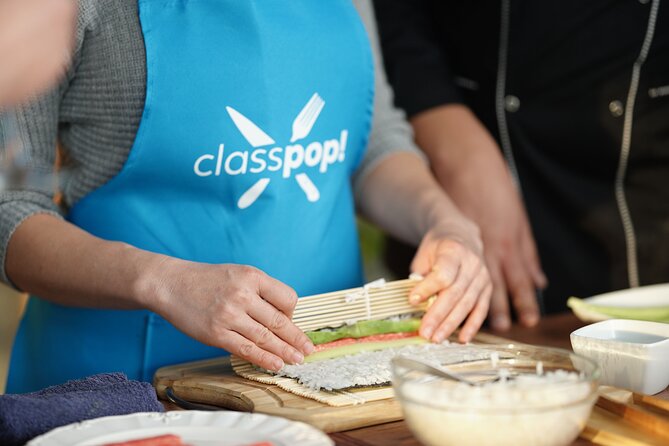
Reviewed · DISTILLERY TOURS
Sushi Making Class at a Local Distillery in Boston
The best part of this Boston-area experience is that you do not just watch a chef make sushi. Chef Harold puts you to work, guiding you through miso soup, sushi rice, inside-out rolls, and hand rolls before you sit down to eat what you made. The class takes place at Short Path Distillery in Everett, where craft drinks give the evening an easygoing social feel.
I like two things in particular: the class welcomes complete beginners, and Chef Harold gives plenty of personal attention while sharing practical tips you can use at home. I also like that you eat the meal together instead of leaving with a few scattered samples. The main consideration is location: the class is in Everett rather than central Boston, and drinks cost extra.
Key points at a glance
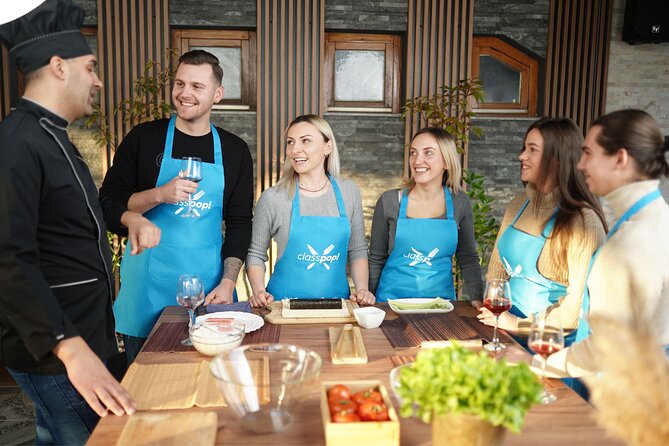
- Chef Harold leads the class: He brings more than 20 years of sushi-making experience and a lively teaching style.
- You make a full meal: The menu includes miso soup, shrimp tempura hand rolls, sweet potato hand rolls, and a spicy tuna roll.
- No prior cooking skill is needed: The class is built for beginners, but experienced cooks can still pick up useful sushi techniques.
- The setting is social: You work alongside classmates at a local distillery and dine on your creations afterward.
- Drinks are separate: Craft cocktails and other drinks are available at the bar for about $3 to $20.
- Plan ahead: The class is often booked about 25 days in advance, with a maximum of 25 people.
Learning sushi at Short Path Distillery in Everett
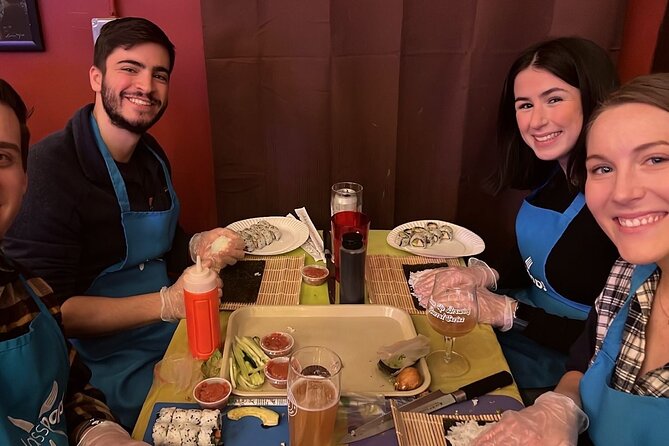
This is a cooking class with a night-out feel. You meet at Short Path Distillery, 71 Kelvin Street in Everett, at 7 pm. The experience lasts about two hours and ends at the same place.
The venue matters because it changes the tone of the class. You are not in a formal culinary school or a quiet restaurant kitchen. You are in a local distillery with a bar, classmates, and the option to purchase craft drinks as you work. That makes this a good pick for a date night, a small group outing, or an evening when you want an activity that gives people something to do together.
The class has a maximum of 25 participants. That is not a tiny private lesson, but Chef Harold’s teaching style is built around giving people attention. His friendly approach is one of the strongest reasons to choose this particular class. He takes time to speak with the group, explain the process, and help people as they form their rolls.
You should expect a hands-on class rather than a demonstration from a distance. All ingredients and cooking tools are supplied, so you do not need to arrive with special equipment. The class is offered in English, and mobile tickets make entry simple.
More Distillery Tours in the USA
- Nashville to Jack Daniel’s Distillery Bus Tour + Whiskey Tastings
★ 5.0 · 1,906 reviews - San Juan: Casa Bacardi Distillery Tour
★ 4.7 · 1,363 reviews - Nashville Brewery & Distillery Tour by Golf Cart
★ 4.5 · 664 reviews
Starting with miso soup, dashi, and wakame
The first dish is miso soup made with miso paste, dashi, and wakame seaweed. This is a sensible opening because it gives you an easy first task while setting up the meal.
Miso soup is familiar to many sushi fans, but making it yourself helps you understand the basic balance of the dish. The savory miso supplies body, dashi adds depth, and wakame brings a light sea flavor and soft texture. You are not simply waiting for the sushi portion to begin. You start by preparing something you will eat as part of the finished meal.
This opening also helps settle first-time cooks. Sushi can seem exacting, especially when rice, seaweed, and fillings all need to come together neatly. Miso soup offers a gentler introduction before you begin shaping rolls.
The class is designed to accommodate a range of dietary needs. Tell the provider about your restrictions in advance, and the team will do its best to adjust the experience. Since the listed menu includes seafood and animal products, advance notice is especially useful if you need changes.
The real lesson is sushi rice
Good sushi depends on rice that is seasoned, shaped, and handled properly. The class covers the fundamentals of sushi rice before moving into the rolls, which is useful because the rice is the part many home cooks find hardest to get right.
Chef Harold’s instruction focuses on the methods you can repeat in your own kitchen. You receive tips and recipes to take home, so the value is not limited to the meal you eat that evening. Several comments about the class point to this practical side, with people pleased that they learned techniques they could try again at home.
Do not expect to become a professional sushi chef in two hours. You will, however, leave with a clearer sense of how sushi rice works and how to handle it without making a mess of every roll. That is a fair goal for a short class, and it gives the experience more lasting value than a meal at a sushi restaurant.
The class also includes a few chef secrets and everyday pointers. The exact pace will depend on the group, but Chef Harold’s role is to keep the process moving while helping people who need extra assistance.
Uramaki and temaki, two useful styles
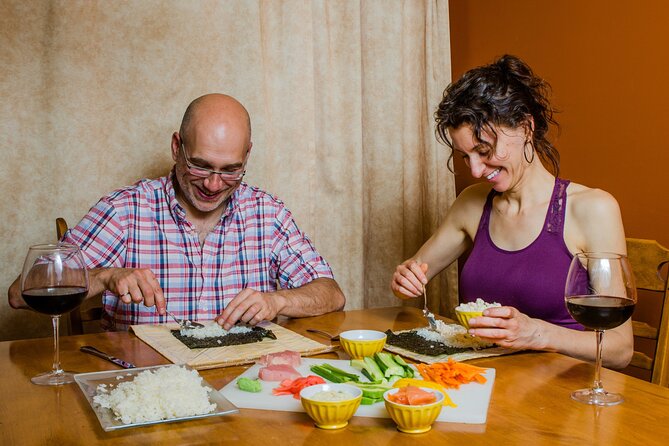
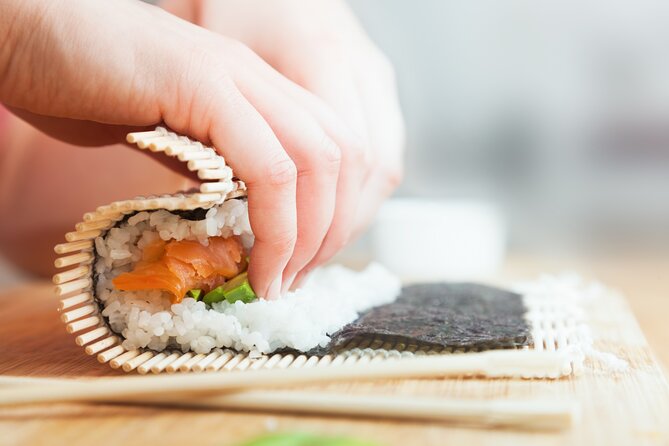
The main lesson covers two sushi styles: uramaki, or inside-out rolls, and temaki, or hand rolls. Learning both gives you a useful contrast.
Uramaki places the rice on the outside and the nori inside. This is the style many people recognize from American sushi menus. It can be a little awkward at first because the rice needs to hold together while the roll takes shape, but it is also satisfying when the finished piece looks tidy.
Temaki is more forgiving. You shape the nori and rice into a hand roll rather than cutting a long roll into individual pieces. The format feels casual and is well suited to a social class because you can concentrate on the basic shape without worrying about producing identical slices.
Chef Harold’s upbeat approach is helpful here. The class is meant to be fun, not a test of knife skills. If your first roll looks uneven, you can try again with guidance. The point is to learn the method, eat the results, and gain enough confidence to keep practicing.
Same region, a different pour:
- Bourbon Tour (03) : Buffalo Trace, Woodford, Four Roses, Wild Turkey, Other
★ 4.5 · 592 reviews - Nashville’s Big Machine Distillery Guided Tour with Tastings
★ 5.0 · 356 reviews - Nelson’s Green Brier Distillery Guided Tour with Tastings
★ 5.0 · 293 reviews - Bourbon History Tour
★ 5.0 · 219 reviews
What you make and eat
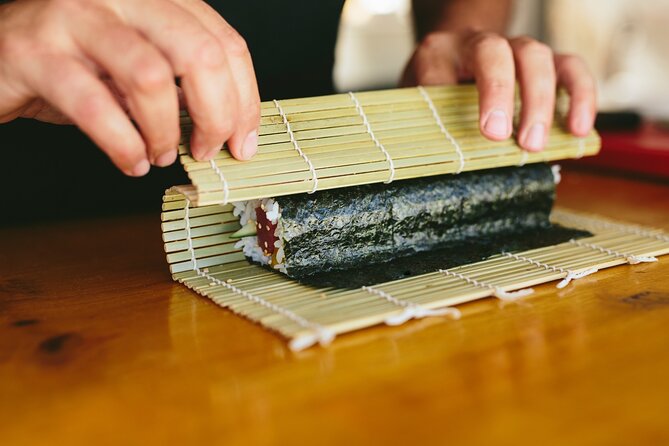
The sample menu offers enough variety to make the meal feel substantial.
Shrimp tempura hand roll: This combines shrimp, nori, and sushi rice. The tempura gives the hand roll a familiar crisp element and provides a good match for the soft rice and seaweed.
Sweet potato hand roll: This is the meat-free main option listed on the menu. Sweet potato brings a softer, sweeter filling and makes the meal more flexible for people who do not want every item to contain seafood.
Spicy tuna roll: This uses tuna, sushi rice, and nori. It gives you practice with the inside-out roll style and adds the boldest flavor among the listed main dishes.
You also prepare the miso soup at the start. Taken together, this is more than a tasting portion. The meal is designed to be eaten with your classmates after the cooking is finished. One useful detail is that extra sushi can be taken home, though you should not assume leftovers are guaranteed for every class.
Freshness matters in a sushi class, and the ingredients are supplied as part of the price. The class feedback specifically praises the fresh-tasting ingredients and the finished food. Still, the main reason to book is the process, not a restaurant-level sushi dinner. Your rolls will reflect your own skill and the time available.
Why Chef Harold makes a difference
A cooking class rises or falls on the teacher. Here, Chef Harold is the central reason the experience feels personal rather than mechanical.
He has more than two decades of sushi-making experience and is described as personable, funny, and professional. He speaks with the group before class, gets to know participants, and explains each stage clearly. That combination matters for beginners, who often need reassurance as much as instruction.
You can also expect stories from his career and a careful approach to sushi preparation. The teaching style is lighthearted, but the food is treated seriously. That balance keeps the class from becoming either too stiff or too loose.
The best indication of value is how useful his advice sounds after the class. You receive recipes and practical tips for making sushi at home. If you have always assumed sushi was too difficult to prepare yourself, this class gives you a manageable place to start.
Drinks, timing, and the evening atmosphere
The class begins at 7 pm, so it works well as an evening plan. You can purchase drinks at the distillery bar, with prices listed from $3 to $20. Those drinks are not included in the $75 class price, so budget for them separately.
I like the option because some people want a cocktail while cooking and others do not drink at all. You can decide for yourself rather than paying for a package that includes alcohol. The tradeoff is that the final cost can rise quickly if you order several of the more expensive drinks.
The distillery setting also helps with conversation. You have a shared task, which makes it easier to meet people than at a standard bar or restaurant. The group size can reach 25, so the atmosphere may feel lively rather than intimate. For a quiet private lesson, this is not the right format. For a social evening, it makes sense.
The class is near public transportation, though exact transit directions are not provided. Check your route to 71 Kelvin Street before the day of the class, especially because you need to arrive for the fixed 7 pm start.
Is $75 a fair price?
At $75 per person, this is not the cheapest way to eat sushi. It is also not simply a meal. You are paying for a two-hour cooking lesson, a professional chef, ingredients, equipment, recipes, and the food you prepare.
I consider the price reasonable if you care about learning. A restaurant meal may give you more polished sushi, but it will not teach you how to season rice, shape hand rolls, or make inside-out rolls. The class also gives you a social activity and a full meal in one evening.
The value is strongest for someone who will use the information again. If you make sushi at home even once or twice afterward, the recipes and techniques add something lasting to the cost. The value is weaker if you only want to eat expertly prepared sushi without handling the food yourself.
Drinks are extra, so include that in your calculation. You should also book with enough notice. The class is often reserved about 25 days ahead, and availability is subject to confirmation within 48 hours of booking.
Who should book this sushi class?
I would recommend it to first-time sushi makers, home cooks who want better technique, couples looking for an active date night, and groups of friends who enjoy food and conversation.
Families may also like it, and the experience can accommodate a variety of dietary needs when you provide notice. Service animals are allowed. The class is conducted in English.
This is less suited to someone seeking a private chef lesson, a quiet dinner, or a highly formal culinary session. It is also not the best choice if you dislike group activities or want all drinks included in the ticket.
The atmosphere is relaxed, but you still need to participate. You will handle ingredients, shape sushi, and eat what you make. That is the appeal, but it is worth knowing before you book.
Booking and cancellation details
Free cancellation is available if you cancel at least 24 hours before the 7 pm start time. Changes or cancellations inside that 24-hour window are not accepted and are not refundable.
The class requires a minimum number of participants and suitable weather. If the provider cancels for either reason, you can choose another date or experience, or receive a full refund. Confirmation arrives within 48 hours of booking, subject to availability.
Should you book it?
Book this class if you want to learn a useful skill while enjoying a social night out. Chef Harold’s personal instruction, the full meal, and the chance to practice both hand rolls and inside-out rolls make the $75 price easier to justify.
I would be cautious only if your priority is a polished sushi dinner, a private setting, or an all-inclusive bar experience. For everyone else, this is a friendly, practical introduction to sushi, with enough food and instruction to make the evening feel worthwhile.
FAQ
Where does the sushi-making class take place?
The class takes place at Short Path Distillery, 71 Kelvin Street, Everett, Massachusetts 02149.
What time does the class start?
The class starts at 7 pm.
How long does the experience last?
The cooking class lasts approximately two hours.
Who teaches the class?
Chef Harold leads the class. He has more than 20 years of sushi-making experience.
What food will I make?
The sample menu includes miso soup, shrimp tempura hand rolls, sweet potato hand rolls, and a spicy tuna roll.
Are drinks included in the price?
No. Drinks are available for purchase at the venue bar, with listed prices ranging from $3 to $20.
Do I need prior cooking experience?
No. The class is designed for beginners as well as experienced cooks.
Can dietary needs be accommodated?
The class can accommodate a variety of dietary needs when you provide information in advance. The team will do its best to tailor the experience to your preferences and restrictions.
Newest tours around the USA
- Uncle Nearest Green Distillery Tour from Downtown Nashville★ 4.5 · 12 reviews
- NON BUS Old Mission Wine And Distillery Sunset Tour – 4 STOP★ 5.0 · 2 reviews
- NON BUS MOVIE STARS Traverse City Brewery And Distillery Tour★ 5.0 · 2 reviews
- Big Machine Distillery Guided Distillery Tour With Tastings★ 5.0 · 2 reviews
- St Petersburg Distillery Tour and Tasting Experience★ 5.0 · 23 reviews
- Bourbon and Whiskey History Tour in St Augustine★ 5.0 · 14 reviews
- Bainbridge Island Discovery and Whiskey tasting Tour★ 4.5 · 9 reviews
- Tumbleroot Brewery and Distillery Tour and Tasting★ 5.0 · 21 reviews
Distillery Tours, compared.
Jameson Whiskey Distillery Tour with Tastings
Read our review →
Dublin Jameson Distillery Bow St. Tour and Tasting 45 mins
Read our review →
Dublin Jameson Distillery and Guinness Storehouse Guided Tour
Read our review →
Nashville to Jack Daniel’s Distillery Bus Tour + Whiskey Tastings
Read our review →
Dublin Teeling Whiskey Distillery Guided Tour and Tasting 1 Hour
Read our review →


Browse the lists this tour appears in