
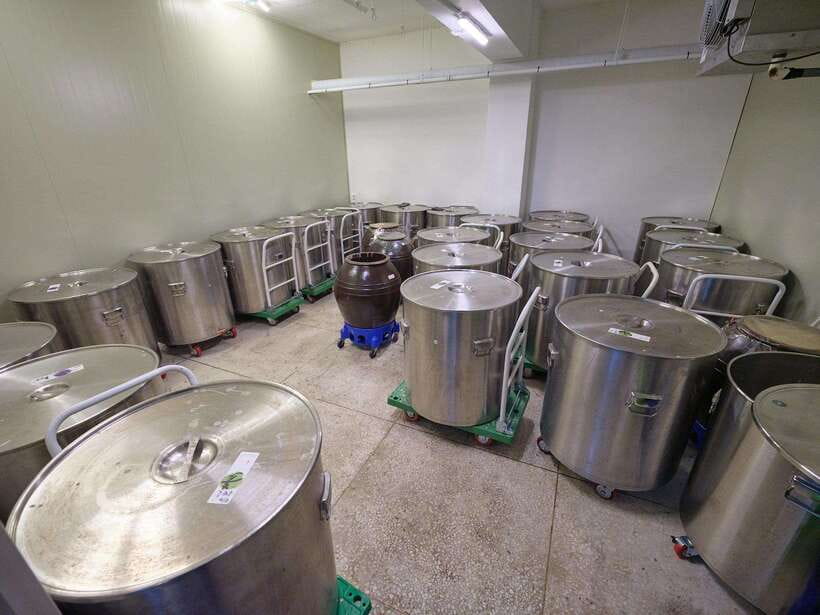
Reviewed · DISTILLERY TOURS
Seoul: Soju Tasting at Distillery
Korean soju is far more interesting than the familiar green bottle. This 80-minute tasting introduces you to traditional rice spirits, including the prized Samhae soju once favored by Joseon’s upper class. English-speaking guide Sam explains the process, history, and drinking culture without making you work through a language barrier.
I like two things right away: the tasting sits in the Hongdae area, so you do not lose half a day getting there, and the selection includes at least seven samples, with most of the focus on distilled soju. The main caution is its strength. The premium bottles run from 45 to 50 percent alcohol, so this suits curious drinkers who enjoy tequila or whisky more than people looking for light, sweet drinks.
Key points to know before booking
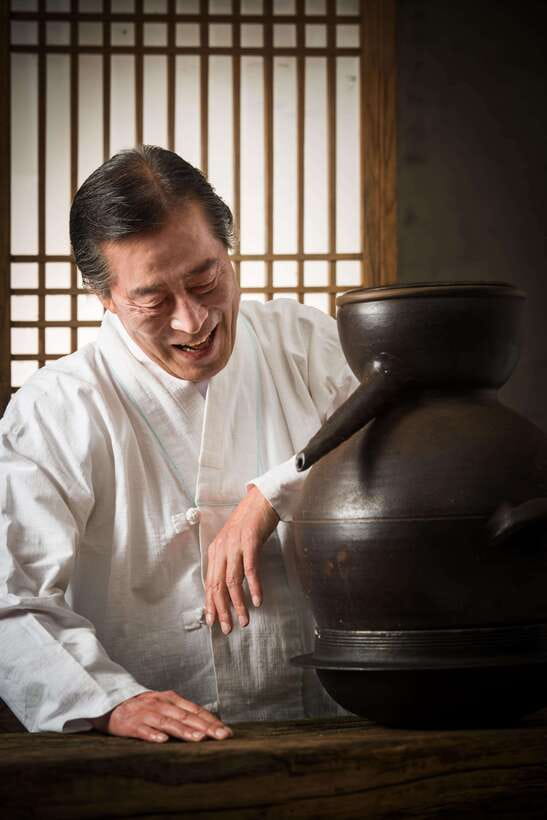
- Traditional Samhae soju: Learn about a family recipe linked to Joseon-era drinking culture and taste the distillery’s premium spirit.
- Seven or more samples: The selection can include unfiltered takju, filtered cheongju, early stages of production, and several finished sojus.
- Sam leads in fluent English: He explains the craft clearly and adds useful advice about Korean food, bars, and local life.
- Convenient Hongdae location: The meeting point is about 1.3 kilometers from Hongik University Station Exit 1, or roughly five minutes by bus.
- Serious alcohol strength: The premium soju is 45 to 50 percent alcohol, much stronger than standard commercial green-bottle soju.
- Good social evening: The group can include people from several countries, making this a pleasant way to meet others over a shared interest.
Why this is not a green-bottle soju tasting
Most visitors first meet soju in Korea as a small green bottle served with barbecue. That common version is usually a lightly flavored, diluted spirit made for easy drinking. It has an important place in Korean social life, but it tells you little about the older craft of making soju from rice.
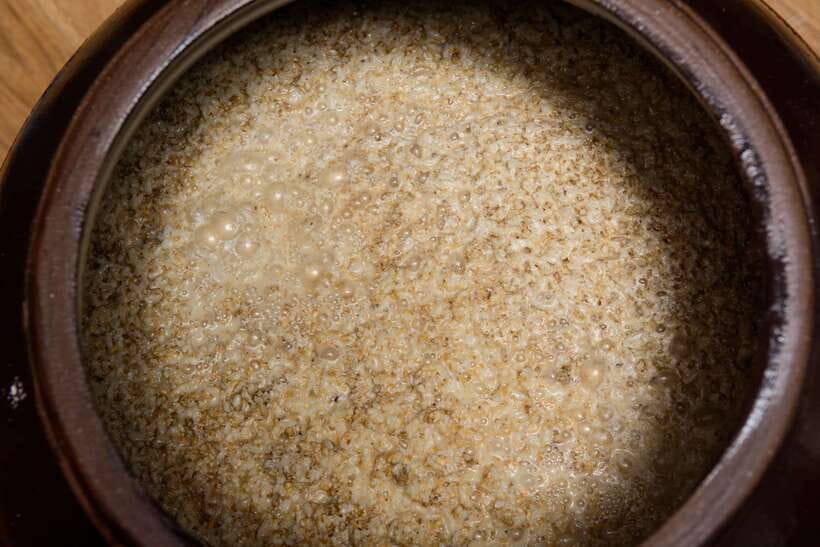
This tasting takes a different route. Korean alcohol is broadly divided into three types: takju, an unfiltered rice wine often associated with makgeolli; cheongju, a filtered rice wine; and soju, a distilled spirit. You may taste examples of the first two, but the main subject is traditional distilled soju.
That distinction matters. The drinks are not simply different brands poured into identical glasses. They reflect different stages, methods, and levels of filtration. Sam uses the tasting to show how rice can become several very different drinks, from cloudy and soft to clear, intense, and warming.
You should come expecting a lesson with alcohol, not a cocktail event. Sam explains what you are drinking, how it was made, and how the flavors change from one sample to the next. The best part is that the subject has enough substance for serious food and drink fans, yet the tone remains relaxed and social.
More Distillery Tours in the world:
- Dublin: Jameson Whiskey Distillery Tour with Tastings
★ 4.7 · 4,859 reviews - Dublin Jameson Distillery Bow St. Tour and Tasting 45 mins
★ 5.0 · 4,690 reviews - Dublin Jameson Distillery and Guinness Storehouse Guided Tour
★ 4.5 · 2,608 reviews
Meeting Sam near Hongik University Station
The tasting is held in the Hongdae area, a useful base for an evening in western Seoul. The meeting point is not directly at the subway exit, so plan the final walk carefully. It is about 1.3 kilometers from Hongik University Station Exit 1, or around five minutes by bus.
You meet at a small, triangle-shaped parking lot beside a building, with a Pizza Hut across the street as a visual landmark. Use the exact mobile map links supplied after booking rather than relying only on a general search for the neighborhood. Seoul’s street layout can be confusing, and the meeting point is not described as a large public attraction that you can spot from a distance.
Arrive at least five minutes early. You can be as much as 20 minutes late, but that is a generous limit, not a target. The host picks up the group five minutes before the start, and arriving late can mean missing the opening explanation or having trouble joining the group.
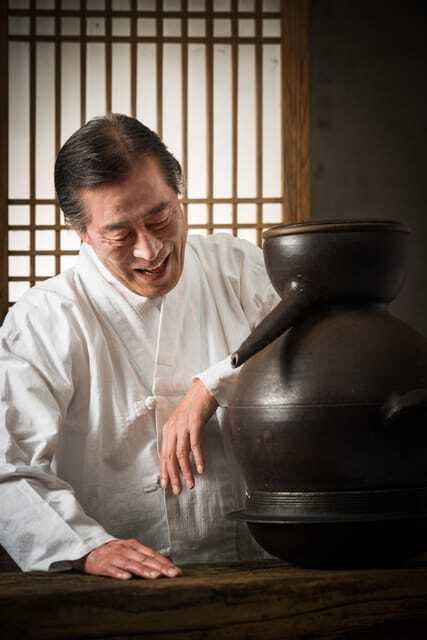
Sam is the central reason this tasting works. He speaks fluent English and handles questions about the alcohol, Korean customs, and everyday life in Seoul. His style comes across as warm and funny, which helps keep the technical parts from becoming a lecture. Several people also found his restaurant and bar suggestions useful after the tasting.
The first lesson: takju, cheongju, and soju
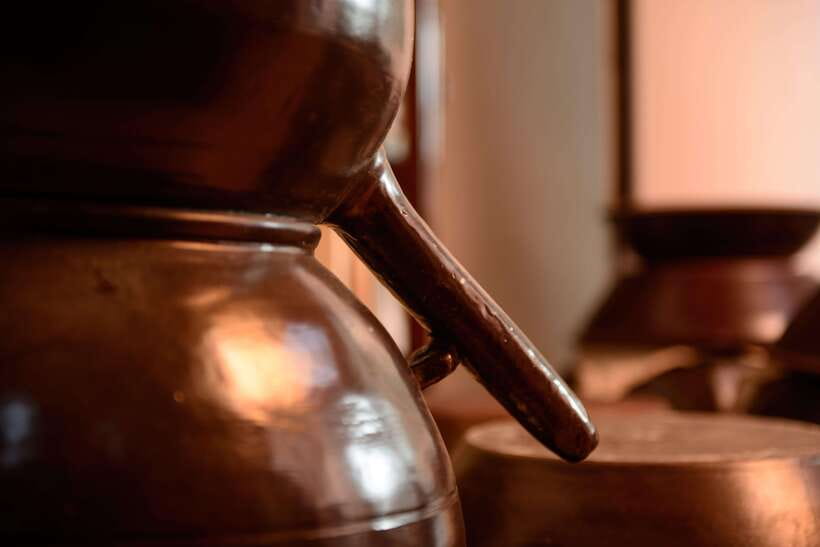
The opening section gives you a framework for the drinks ahead. Rather than treating all Korean alcohol as soju, Sam separates the categories and explains why they taste and look different.
Depending on availability, the session may include unfiltered takju and filtered cheongju. These samples help you understand what happens before distillation. You may see or taste products from earlier stages of the process, then compare them with the clearer finished spirits.
The selection changes, so do not arrive expecting a fixed menu of named bottles. The dependable promise is at least seven samples, with most of them made up of soju. A recent format included two samples from early stages and six finished products, but another session may use a different combination.
This flexible approach is sensible for a small producer. It also means the tasting is more about learning the range of traditional Korean alcohol than checking off a precise list. If you enjoy comparing production methods, that is a strength. If you want one guaranteed bottle or flavor, ask Sam what is being served that day.
Tasting Samhae, the old-style spirit
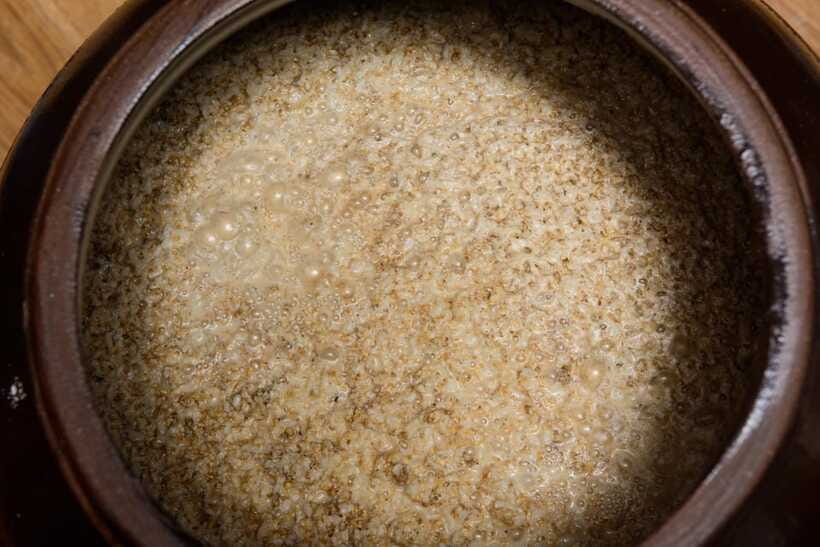
The historical centerpiece is Samhae soju. It was associated with the noble class during the Joseon dynasty, which lasted from 1392 to 1894. The current master, Hyeonjong Kim, trained for more than 10 years under Taeksang Kim, who inherited and maintained the family recipe.
The tasting gives that background a practical purpose. You are not simply hearing about an old formula and then drinking a modern imitation. You get to taste the spirit while learning how the recipe and methods were preserved.
The phrase three pig soju refers to the Samhae name and its place in this traditional lineage. The supplied description calls it a beloved luxury spirit with a devoted following. You should not confuse it with ordinary convenience-store soju. The alcohol level alone makes that clear.
Premium samples run between 45 and 50 percent alcohol. That is closer to the strength of whisky or tequila than to standard table soju. Sip slowly, keep water in mind, and avoid treating the session like a quick round of shots. Sam welcomes anyone with curiosity, but people who usually prefer light, sweet alcohol may be happier with a separate makgeolli tasting.
More Whisky and Distillery Tours in the world:
- Edinburgh: The Scotch Whisky Experience Tour and Tasting
★ 4.7 · 5,213 reviews - Melbourne: Yarra Valley Wine, Gin, Whisky and Chocolate Tour
★ 5.0 · 3,667 reviews - Dublin Irish Whiskey Museum and Gallery Guided Tour with Tasting
★ 5.0 · 3,078 reviews - Edinburgh: Underground Vaults Evening Ghost Tour with Whisky
★ 4.7 · 2,685 reviews
Seven samples, with real differences between them
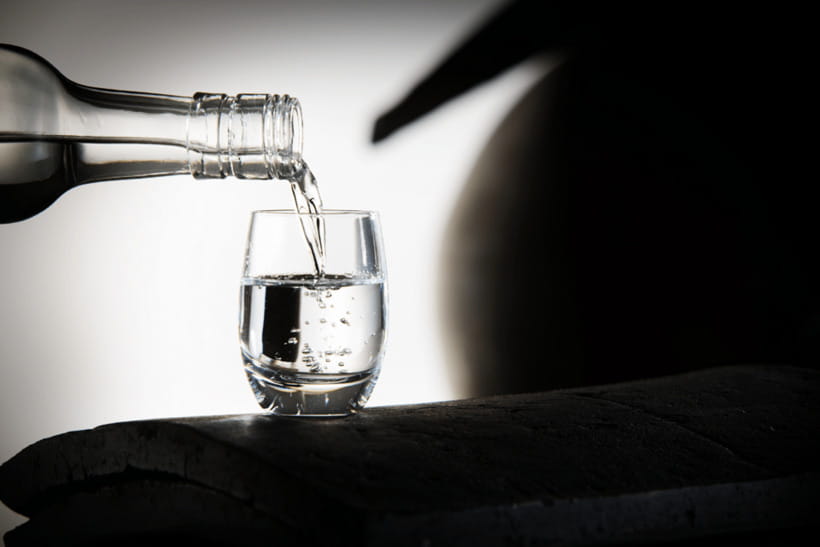
The tasting is designed to show range. You may compare drinks made with different brewing methods, different stages of production, or different flavor profiles. The point is not simply to decide which one tastes best. It is to notice how technique changes the final spirit.
Some samples can be unusual enough to challenge your idea of what soju should be. One person described trying seven types based on various brewing methods, while another tasting included early-stage samples followed by six finished products. That gives you a useful progression from the base material to the completed spirit.
The exact line-up depends on availability. Still, the at-least-seven promise gives the $49 price more weight than a short sample flight would. You are paying for the guided explanation, the rare traditional bottles, and enough pours to make comparison possible.
This is also where Sam’s teaching matters. A strong spirit can taste harsh if you drink it without context. With an explanation of ingredients and method, you have a better chance of noticing aroma, texture, sweetness, heat, and finish. You do not need prior tasting experience, but you should bring patience and curiosity.
What the 80 minutes feel like
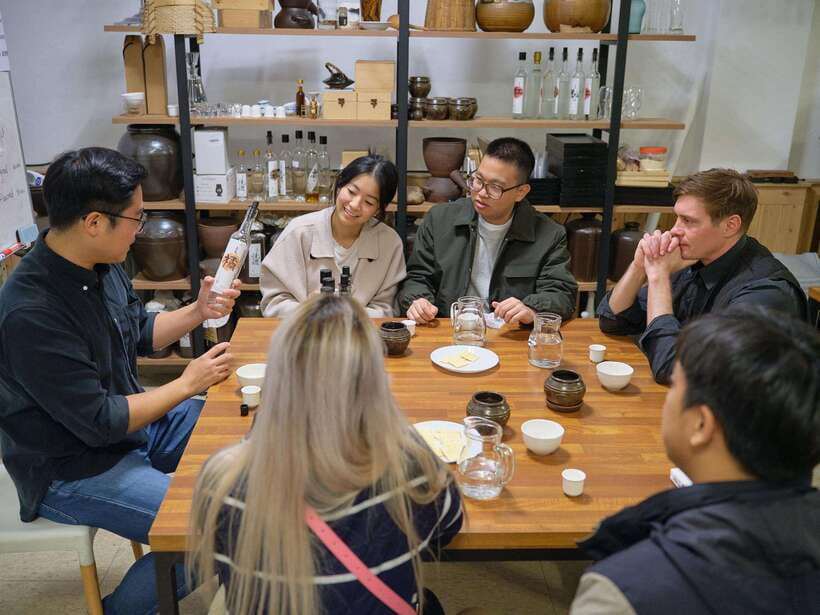
Eighty minutes is enough time for a proper introduction without turning the evening into a full-day program. The early part covers the categories of Korean alcohol and the family background of Samhae. The middle section shows how the drinks are made and introduces samples from different stages. The later part focuses on the finished sojus.
The pace appears to be conversational rather than tightly scripted. That is useful if you have questions, and Sam is open to questions about the spirit, Korean drinking customs, his background, and life in Korea. It also means the exact balance between explanation and tasting can shift with the group.
A social atmosphere is part of the appeal. People from different countries may share the table, and the subject gives everyone an easy point of conversation. If you want a quiet, private lesson, ask about arranging a private group. The host allows private bookings and can adjust the session for group needs, though you still need to reserve a date first.
Afterward, the Hongdae setting gives you options for food and drinks. Korean barbecue is a natural follow-up, and Sam may suggest bars or restaurants nearby. Buying a bottle to take home is also possible if the available soju appeals to you, but the supplied details do not promise that every bottle will be available for purchase.
Is $49 a fair price?
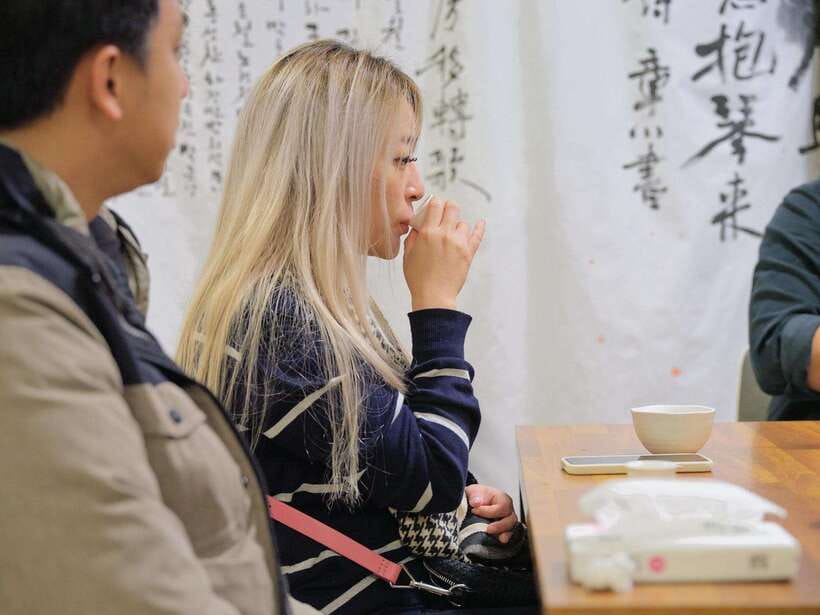
At $49 per person, this is not the cheapest way to drink soju in Seoul. You can buy commercial bottles for very little in a shop or restaurant. That comparison misses the point, though. The value here is in accessing traditional spirits, tasting several styles, and getting clear English explanations from someone who knows the subject well.
The price makes the most sense if you would otherwise spend an evening searching for traditional soju without knowing what to order. Seven or more samples can quickly become expensive if purchased separately, especially when the bottles are small-production or premium spirits. The cultural context also gives the drinks meaning that a convenience-store purchase cannot provide.
It is less attractive if you only want a casual drink or if you dislike high-proof alcohol. The tasting is centered on spirits rather than a large meal, and the strongest bottles are not designed for quick, carefree drinking. People seeking lighter alcohol should consider the separate makgeolli-focused option mentioned by the host.
Free cancellation up to 24 hours before the session and reserve-now, pay-later booking reduce the risk if your Seoul plans are still shifting. The activity is also listed as wheelchair accessible, though you should still use the exact meeting-point information and confirm any specific mobility needs before booking.
Who should book this tasting?
I would choose this for a drinker who wants more than the standard Korean nightlife routine. It suits anyone interested in fermentation, distillation, food culture, or the way family traditions survive in modern Seoul.
It is also a good fit for solo visitors. The international group setting makes it easy to talk with other people, and Sam’s local suggestions can help shape the rest of your evening. Couples and friends who enjoy trying unfamiliar spirits should find enough variety to keep the session interesting.
I would hesitate if you are pregnant, under 18, or uncomfortable with strong alcohol. Children cannot join, and the 45 to 50 percent range deserves serious attention. If you mainly enjoy beer, wine, or low-alcohol makgeolli, this may be more intense than relaxing.
Practical tips for a better evening
- Eat beforehand or plan food soon after. The session includes alcohol but is not described as a full meal.
- Do not rush the pours. Strong soju rewards small sips.
- Save the map links and arrive five minutes early. The parking-lot meeting point is easy to miss if you depend on a broad Hongdae search.
- Wear something comfortable for an 80-minute tasting and keep your schedule afterward flexible.
- Ask Sam for local food suggestions. He has helped people find and book restaurants after the session.
- If you want a private event, reserve a date and message the host about your group before making detailed plans.
Should you book it?
Book this tasting if you want to understand Korean alcohol rather than simply consume it. The combination of Sam’s fluent English, the family story behind Samhae soju, and seven or more changing samples gives you a clearer view of the country’s drinking culture than a standard green bottle can offer.
Skip it if high-proof spirits are not your thing. For everyone else, $49 is a reasonable price for a focused lesson, a social evening in Hongdae, and access to traditional rice spirits you may not find easily on your own.
FAQ
How long does the soju tasting last?
The tasting lasts 80 minutes.
Where does the tasting meet?
It meets at a small, triangle-shaped parking lot next to a building in Seoul’s Seongdong area, near Hongik University Station. The exact mobile map links provided with the booking should be used to find the spot. A Pizza Hut is across the street.
How far is the meeting point from Hongik University Station?
The meeting point is about 1.3 kilometers, or roughly one mile, from Hongik University Station Exit 1. It is also about a five-minute bus ride away.
How many drinks are included?
At least seven samples are served. The selection can include unfiltered takju, filtered cheongju, early-stage products, and several finished sojus. The exact drinks depend on availability.
How strong is the soju?
The premium soju served at this tasting is between 45 and 50 percent alcohol. This is considerably stronger than the common green-bottle style of soju.
Can I cancel or reserve without paying immediately?
You can cancel up to 24 hours before the tasting for a full refund. Reserve-now, pay-later booking is available, so you do not need to pay at the time of booking.
Newest tours around the world
- Full-Day Private Speyside Malt Whisky Trail Tour from Grantown-on-Spey★ 5.0 · 22 reviews
- Hidden Gem Food & Whiskey Night Tour near Roppongi★ 5.0 · 4 reviews
- Gin Tasting at Judith’s, Shakespeare Distillery★ 5.0 · 10 reviews
- Tokyo: Mt. Fuji 5th St. & Hakushu Distillery Whisky Museum★ 3.9 · 3 reviews
- Dordrecht: Distillery Tour with Dutch Gin & Genever Tasting★ 4.5 · 13 reviews
- Wine & Mead Tasting, Distillery and Brewery Tour with Lunch★ 5.0 · 16 reviews
- Beer, BBQ, and Bourbon Tour: Nashville Bus Tour★ 4.5 · 15 reviews
- GoldenGai Daytime JapanWhisky BeginnersSession w/FemaleBartender★ 5.0 · 8 reviews
Distillery Tours, compared.
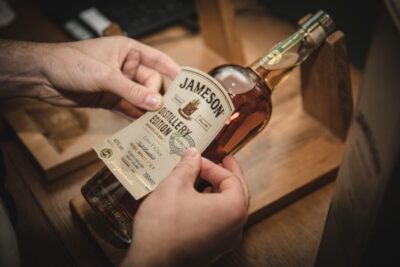
Jameson Whiskey Distillery Tour with Tastings
Read our review →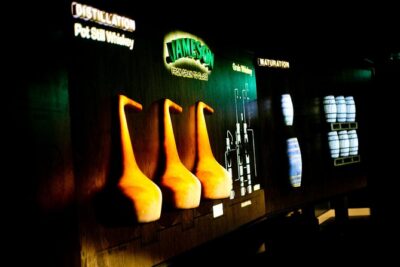
Dublin Jameson Distillery Bow St. Tour and Tasting 45 mins
Read our review →
Dublin Jameson Distillery and Guinness Storehouse Guided Tour
Read our review →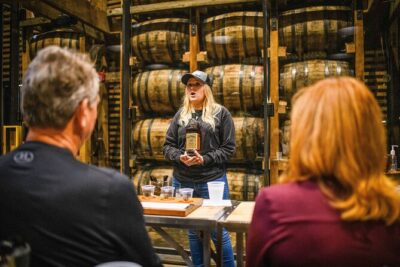
Nashville to Jack Daniel’s Distillery Bus Tour + Whiskey Tastings
Read our review →
Dublin Teeling Whiskey Distillery Guided Tour and Tasting 1 Hour
Read our review →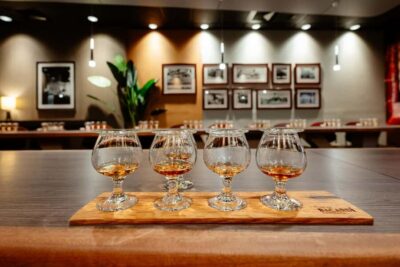
Browse the lists this tour appears in