
Reviewed · DISTILLERY TOURS
Guided tour with tasting of the Distillery Bonne Mère
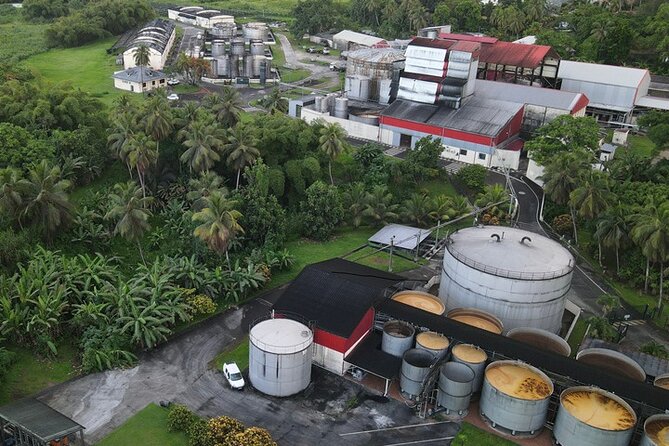
The most unusual part of this Sainte-Rose tour is the chance to see Guadeloupe’s oldest and largest distillery, founded in 1863, from the inside. You move from working production areas to a museum filled with old equipment, then into a cellar holding nearly 10,000 barrels before tasting the finished rum.
I like the mix of industrial history and local flavor. The old railway bridge, once used to carry sugar cane, gives the visit a strong sense of place, while the tasting makes the story easier to understand. The main consideration is time: at about 90 minutes, this is a focused introduction rather than a full-day distillery experience.
Key points at a glance
- Founded in 1863: Learn how a long-running Guadeloupe distillery connects old methods with modern production.
- Copper distillation equipment: See historic columns and other remains from around 160 years of activity.
- Old cane railway bridge: A striking reminder of how sugar cane once reached the distillery.
- Nearly 10,000 barrels: Visit a substantial rum cellar before the tasting.
- Traditional Guadeloupe grands rums: Finish with a tasting of selected vintage rum cuvées.
- Small group format: The tour accepts a maximum of 20 people and lasts about 1 hour 30 minutes.
Why Bonne Mère is worth your time
Rum is one of the clearest ways to understand Guadeloupe’s plantation past, agricultural traditions, and connection to sugar cane. At Bonne Mère, you are not simply shown a bottle and asked to taste it. The visit links the finished drink to the machinery, buildings, transport system, and storage conditions behind it.
That matters because rum production can seem simple from the outside. Cane becomes juice, juice becomes fermented liquid, and distillation turns it into spirit. The museum and production areas give those steps a physical setting, with copper columns, old industrial remains, and the former railway bridge helping you picture how the work developed over time.
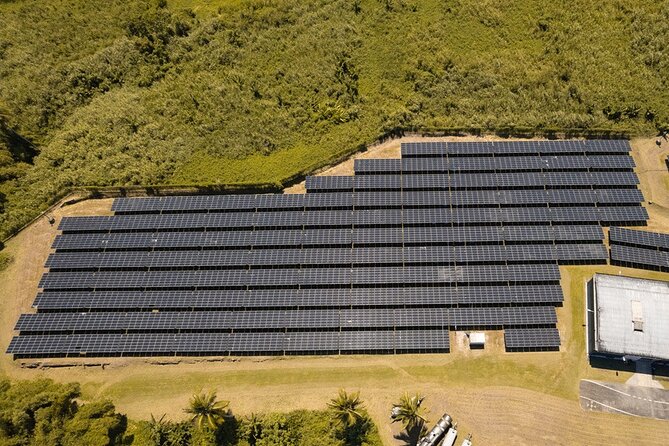
The distillery dates to 1863 and describes itself as Guadeloupe’s largest and oldest. The site also highlights eco-responsible practices, so the visit is not limited to nostalgia. You get a look at a historic operation that is also trying to address modern production concerns.
I would allow about two hours around the scheduled 90-minute activity, especially if you want time to arrive, settle in, and enjoy the tasting without rushing. The official group limit is 20 people, which should make it easier to hear the guide than at a large commercial attraction, though the exact feel will depend on the group that day.
More Distillery Tours in the world:
- Dublin: Jameson Whiskey Distillery Tour with Tastings
★ 4.7 · 4,859 reviews - Dublin Jameson Distillery Bow St. Tour and Tasting 45 mins
★ 5.0 · 4,690 reviews - Dublin Jameson Distillery and Guinness Storehouse Guided Tour
★ 4.5 · 2,608 reviews
Walking through the distillation museum
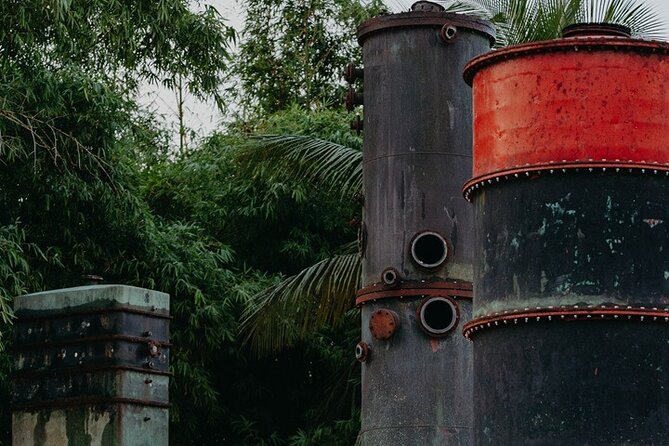
The museum is the best place to begin if you want the technical side of rum explained clearly. It brings together old pieces from the distillery’s long operation, including copper distillation columns and other remains connected to roughly 160 years of work.
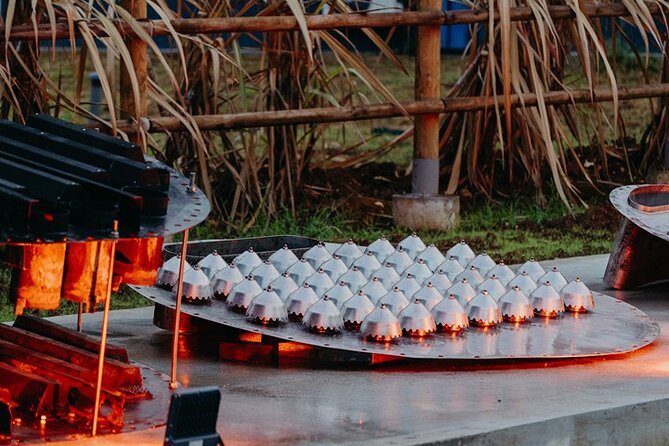
Copper is not just decorative here. The columns help explain the distillation stage, when the fermented liquid is heated and separated to produce a stronger spirit. You may already know the broad idea, but seeing the equipment makes the process much less abstract.
The museum also helps place rum production in the wider story of Guadeloupe. Sugar cane is not merely an ingredient. It shaped transportation, labor, industry, and the location of many distilleries across the islands. Bonne Mère’s displays give you a compact way to connect those subjects without needing a separate museum visit.
A guide leads the walk and explains each part of the site. The tour is offered in a group setting, and English support may be available. Pierre, one of the guides, has spontaneously continued in English for visitors who needed it. That is useful if you do not speak French, but I would not treat a specific language as guaranteed unless you confirm it before booking.
The old railway bridge and the working site
One of the most memorable pieces of the tour is the old railway bridge. It was used to move cane to the distillery, and it shows how closely rum production depended on transport.
This is the sort of detail that can easily disappear in a modern factory tour. Bottles on a shelf tell you what is sold today. A railway bridge shows how the raw material once moved, and it gives you a better feel for the scale and age of the operation.
The broader site visit focuses on each stage of production. You should expect an industrial setting rather than a polished tasting room alone. That is a plus if you enjoy machinery, old structures, and working heritage sites. If you prefer a purely scenic or luxury food-and-drink outing, some of the factory elements may feel more practical than glamorous.
The distillery also points to eco-responsible methods. The supplied details do not identify each practice, so I would listen closely during the guide’s explanation rather than expect a fixed list of demonstrations. The value is in seeing how a historic producer presents its current operation alongside its older equipment.
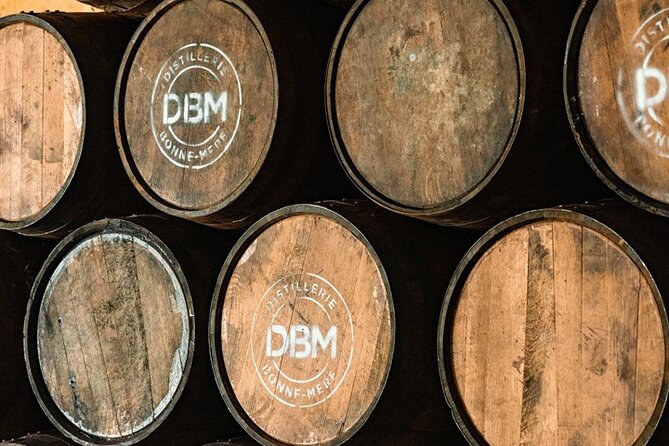
Inside the cellar with nearly 10,000 barrels
The rum cellar provides the tour’s strongest visual moment. Nearly 10,000 barrels are stored there, turning the aging process into something you can see at a glance.
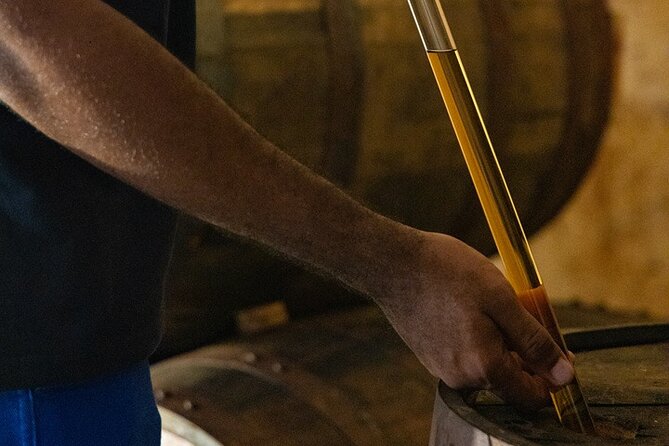
A barrel is not just storage. Time in wood affects the spirit’s color, aroma, and flavor, and the cellar gives context to the word vintage. It also explains why two rums made from the same basic raw material can taste quite different after aging.
You do not need to be a rum expert to enjoy this section. The guide can help you connect the barrels to the bottles you taste later. I find that this makes the final tasting more interesting, because you are not sampling in isolation. You have just seen where the spirit rests and why the cellar matters.
The scale may be especially appealing if you enjoy historic industrial sites. Nearly 10,000 barrels is a sizeable collection, and it gives the experience more weight than a small shop tasting. Still, do not expect a long cellar expedition. The full activity lasts about 90 minutes, so the cellar is one part of a compact route.
More Guided Tours in the world:
- Dublin Irish Whiskey Museum and Gallery Guided Tour with Tasting
★ 5.0 · 3,078 reviews - Dublin Teeling Whiskey Distillery Guided Tour and Tasting 1 Hour
★ 5.0 · 1,765 reviews - The Scotch Whisky Experience Guided Whisky Tour – An Introduction to Whisky
★ 4.5 · 1,578 reviews - Guided Tour at the Curaçao Liqueur Distillery
★ 4.5 · 589 reviews
The tasting of traditional Guadeloupe rums
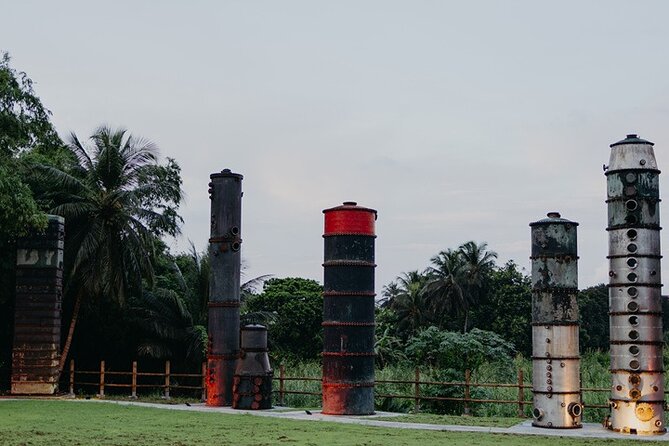
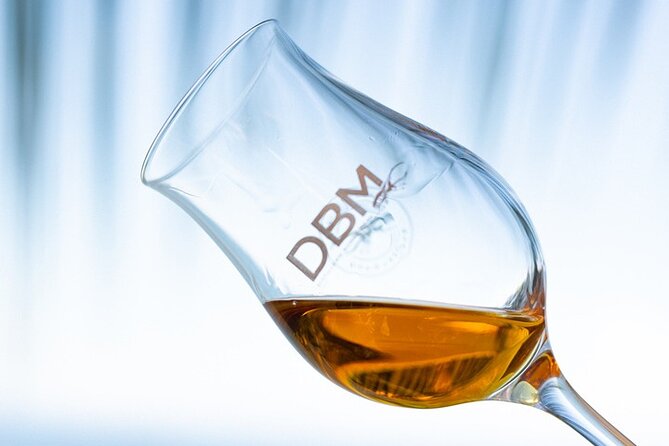
The visit ends with a tasting of traditional Guadeloupe grands rums and selected vintage cuvées. This is where the earlier explanations become practical. You can compare what you have learned about distillation and aging with the drink in your glass.
The tasting is included in the admission price, which improves the value considerably. At $10.74 per person, the experience costs less than many organized cultural outings, yet it combines a guided site visit, a museum, industrial heritage, and a rum tasting.
I would approach the tasting as a chance to learn rather than as a large drinking session. The information provided does not specify the number of pours or exact labels, so it is best not to book expecting a particular bottle. The focus is on traditional Guadeloupe rum and the distillery’s vintage cuvées.
You can also use the tasting to decide what kind of rum you prefer. The museum explains how production works, the cellar shows the role of aging, and the final samples let you notice the result. That three-part structure is one of the tour’s strongest features.
If you are driving afterward, plan carefully. The activity includes alcohol, and the supplied information does not describe transport from hotels or a designated driver service. Arrive with your return plans already sorted.
What the $10.74 price gives you
At $10.74, this is a strong-value outing for anyone already visiting Basse-Terre Island. You receive entry to the distillery, a guided walk lasting about 1 hour 30 minutes, access to the museum and cellar, and a tasting.
The low price does mean you should keep expectations sensible. This is not described as a private tour, a meal, or a full rum-making workshop. You are paying for a structured introduction to a historic distillery, not a luxury spirits seminar.
The value is highest for three types of people:
- You want a cultural stop that takes less than half a day.
- You enjoy learning how local products are made.
- You want to taste Guadeloupe rum in the place where it is produced.
It is also an easy choice for a mixed group. A rum enthusiast gets the cellar and tasting. Someone interested in history gets the old railway bridge and museum. Another person may simply enjoy seeing a large working site and hearing how it changed over 160 years.
Practical details before you go
The meeting point is Distillerie Bonne Mère, at 5000 Rue de la Distillerie, Sainte-Rose, Guadeloupe 97115. The activity ends back at the same location, so you do not need to arrange a separate pickup point afterward.
A mobile ticket is accepted, and booking confirmation is provided at the time of booking. The maximum group size is 20 people. That is small enough to keep the visit manageable, but it is not a private experience.
Most people can take part, and service animals are allowed. The supplied details do not describe stairs, walking distances, or other specific mobility conditions, so contact the provider if you need those details before booking.
Free cancellation is available if you cancel at least 24 hours before the local start time. Inside that window, the payment is not refunded, and changes are not accepted. That rule is worth noting if your Guadeloupe plans depend on weather, road conditions, or a shifting island schedule.
Who will enjoy this distillery visit most
I would recommend Bonne Mère to anyone who wants a short, affordable cultural activity in Sainte-Rose. It works particularly well on a day when you are already exploring Basse-Terre Island and want something more substantial than a quick shop stop.
Rum fans will appreciate the combination of historic equipment, the large cellar, and the tasting. You do not need prior knowledge, though. The guide-led format gives beginners a clear starting point without requiring them to study rum before arriving.
History-minded visitors should pay special attention to the railway bridge and the old copper equipment. Those details turn the site into more than a beverage attraction. They show how agriculture and industry once operated together.
I would be less likely to choose this tour if you want a long, relaxed food experience or a private conversation with a rum maker. The visit is short, group-based, and focused on the distillery’s main points. It gives you a useful taste of the subject, not every possible detail.
Should you book the Bonne Mère tour?
Book it if you want an inexpensive way to connect Guadeloupe’s rum with its industrial past. The museum, old cane railway bridge, large barrel cellar, and included tasting make good use of the 90-minute schedule.
The best reason to go is the balance. You get history before the tasting, so the rum has a story behind it. The main caution is to confirm any language needs in advance, since English help may depend on the guide available that day.
For $10.74, this is an easy recommendation for rum lovers, curious first-time visitors, and anyone building a Basse-Terre itinerary around local culture. If your interest in rum is low, the old equipment and railway history may still justify the stop, but the tasting will be the least important part of the visit.
FAQ
Where does the Distillery Bonne Mère tour begin?
It begins at Distillerie Bonne Mère, 5000 Rue de la Distillerie, Sainte-Rose 97115, Guadeloupe.
Where does the activity end?
The tour ends back at the distillery meeting point.
How long does the tour last?
The guided visit lasts approximately 1 hour 30 minutes.
How much does the experience cost?
The listed price is $10.74 per person.
Is the tasting included?
Yes. The activity includes a tasting of traditional Guadeloupe grands rums and vintage rum cuvées.
What will I see at the distillery?
You will visit the distillation museum, see historic copper distillation columns, view the old railway bridge used to transport cane, explore the rum cellar, and learn about production practices.
How many people can join the tour?
The activity has a maximum group size of 20 people.
Is a mobile ticket available?
Yes. The experience includes a mobile ticket.
Are service animals allowed?
Yes. Service animals are allowed.
Can most people participate?
Yes. The activity information says most people can participate.
Can I cancel for a full refund?
Yes, if you cancel at least 24 hours before the experience starts. Cancellations made less than 24 hours before the start time are not refunded.
Newest tours around the world
- Full-Day Private Speyside Malt Whisky Trail Tour from Grantown-on-Spey★ 5.0 · 22 reviews
- GoldenGai Daytime JapanWhisky BeginnersSession w/FemaleBartender★ 5.0 · 8 reviews
- Hidden Gem Food & Whiskey Night Tour near Roppongi★ 5.0 · 4 reviews
- Gin Tasting at Judith’s, Shakespeare Distillery★ 5.0 · 10 reviews
- Tokyo: Mt. Fuji 5th St. & Hakushu Distillery Whisky Museum★ 3.9 · 3 reviews
- Dordrecht: Distillery Tour with Dutch Gin & Genever Tasting★ 4.5 · 13 reviews
- Wine & Mead Tasting, Distillery and Brewery Tour with Lunch★ 5.0 · 16 reviews
- Beer, BBQ, and Bourbon Tour: Nashville Bus Tour★ 4.5 · 15 reviews
Distillery Tours, compared.
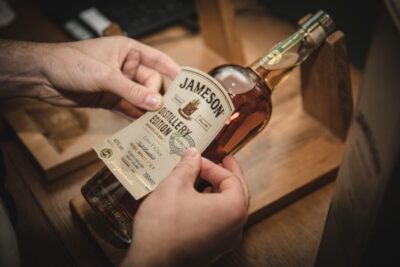
Jameson Whiskey Distillery Tour with Tastings
Read our review →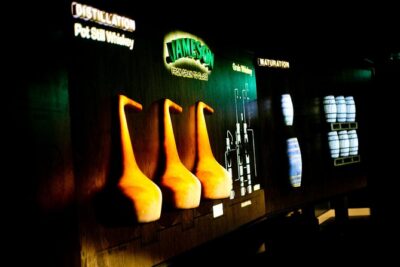
Dublin Jameson Distillery Bow St. Tour and Tasting 45 mins
Read our review →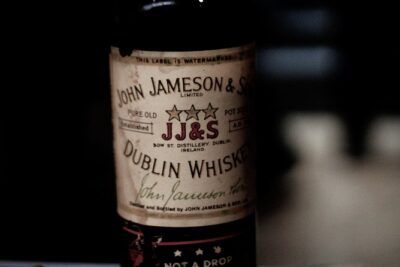
Dublin Jameson Distillery and Guinness Storehouse Guided Tour
Read our review →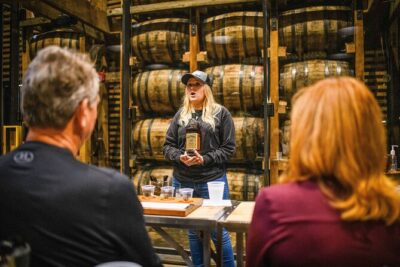
Nashville to Jack Daniel’s Distillery Bus Tour + Whiskey Tastings
Read our review →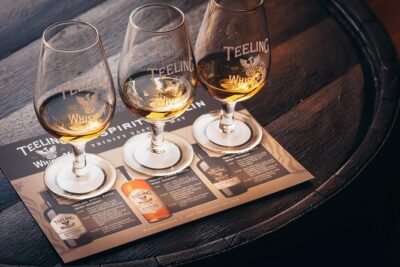
Dublin Teeling Whiskey Distillery Guided Tour and Tasting 1 Hour
Read our review →
Browse the lists this tour appears in