Reviewed · WHISKY & DISTILLERY TOURS
7 days Kilimanjaro climb via Machame route (Whiskey route)
The Machame Route gives you Kilimanjaro at its most scenic and demanding. In seven days, you move from rainforest to moorland, rocky alpine desert, glaciers, and a snow-covered summit. The route is nicknamed the Whiskey Route, which sounds cheerful until you meet the mud, steep slopes, thin air, and midnight summit climb.
I like the route’s built-in climb high, sleep lower pattern on Day 3, and I like the strong attention given to food, clean drinking water, and porter welfare. The main drawback is the pace: seven days is workable, but this is not a gentle walk. You need solid fitness, patience, and a willingness to spend a long night on your feet.
Key things to know before climbing Machame
- The route reaches Lava Tower at 4,630 meters before descending to Barranco, giving you a useful acclimatization day.
- Summit night begins around 11:30 p.m., with a steep, dark climb toward Stella Point and Uhuru Peak.
- The Great Barranco Wall looks worse than it feels, but it still requires careful footing and a head for heights.
- A group of up to 16 people can join the climb, with professional guides, cooks, and porters supporting the camp.
- The $2,300 price includes park fees, rescue fees, meals, tents, drinking water, and guides, but not tips, flights, or personal climbing equipment.
- The final certificate depends on your high point: Stella Point earns a green certificate, while Uhuru Peak earns a gold one.
Why the seven-day Machame Route is worth considering
Machame is popular for a good reason. It offers more visual variety than a simple up-and-down route, and each day feels different. You begin under dripping forest canopy, cross open moorland, pass through bare volcanic country, and finally walk across snow and scree near the summit.
The price also covers the major costs that make a Kilimanjaro climb possible. Park and rescue fees are included, as are six dinners, seven breakfasts, seven lunches, purified water, a private four-season mountain tent, and a mess tent with tables and chairs.
That matters because camp comfort on Kilimanjaro is basic. You are not booking a hotel on the mountain. A dry sleeping tent, a sheltered place to eat, hot water, and regular meals can make the difference between a hard day and a miserable one.
The company also describes its porter treatment as fair and ethical. That is worth asking about before booking any Kilimanjaro trip. The porters carry much of the camp equipment, and their working conditions should be part of your decision, not an afterthought.
The group limit is 16 people. That is small enough to keep the climb organized, though the feel of the trip will depend on the size of your actual booking. The guide team is especially important here. Lucas is praised for answering many planning questions, while guides named Gasto, James, and David receive repeated praise for encouragement, organization, and summit support. Your assigned guide may differ, so ask who will lead your departure.
More Week-Long Trips in the world:
- KILIMANJARO MACHAME ROUTE, (Climb 7days) “Whiskey” route
★ 5.0 · 3 reviews
Day 1: Machame Gate and the wet Kilimanjaro rainforest
Your morning begins with pickup in Arusha, at about 1,400 meters, followed by a drive to Machame Village. The road onward to the park gate can be muddy. If vehicles cannot continue, you may walk the final three kilometers from the village, which takes about an hour.
That detail is easy to overlook when packing. Keep your rain gear and a small amount of water accessible rather than buried in your main bag. At the gate, you register, collect your packed lunch, and begin climbing into the rainforest.
The first day takes about seven hours. The forest is beautiful, but this is not a polished park path. Rain can turn the trail into mud, and roots and slick ground make the going slow. You reach Machame Camp after climbing steadily through thick vegetation.
The welcome lunch comes roughly halfway through the day. It is a useful pause, but you should not treat lunch as the only chance to eat. Small snacks can help you keep a steady pace, especially if the damp air and uphill walking drain your energy.
Day 2: Shira Plateau and the first cold camp
Day 2 covers about nine kilometers in roughly six hours. The forest thins, the trail enters moorland, and the climbing becomes more open. After about an hour, you reach the upper forest, then continue for around two hours at a gentler gradient.
The route leads toward the Shira Plateau, where the scenery opens dramatically. Looking east, you may see the Western Breach and its glaciers. You are now west of Kibo, the volcanic cone that holds Kilimanjaro’s summit.
Shira Camp sits at about 3,840 meters. The camp is exposed, and temperatures can drop well below freezing. Porters boil water for drinking and washing, which is a small but important comfort after a cold day outdoors.
I would treat this night as a test of your sleep system and clothing. You need warm layers, dry socks, gloves, and a reliable headlamp. The included four-season tent protects you from the elements, but it cannot make a high, cold camp feel like a lodge.
Day 3: Lava Tower, thin air, and the Barranco descent
Day 3 is the route’s key acclimatization day. You walk into a semi-desert zone of rock and scree, reaching Lava Tower at 4,630 meters after about five hours. This is often the first point where altitude becomes impossible to ignore.
Breathlessness, headaches, and irritability can appear here. You should tell your guide about symptoms rather than trying to hide them. The mountain does not reward bravado, and a guide can make safer decisions when given clear information.
Lunch is served near Lava Tower before the descent to Barranco Camp, which sits roughly 680 meters lower. This climb high, sleep lower pattern is one of the strongest features of the seven-day schedule. You gain exposure to altitude, then recover at a lower camp instead of sleeping at the day’s highest point.
The day takes about six hours. It can feel tiring because you are climbing toward a high point only to lose much of that elevation afterward. That apparent backtracking is useful, not wasted effort.
More Whisky and Distillery Tours in the world:
- Edinburgh: The Scotch Whisky Experience Tour and Tasting
★ 4.7 · 5,213 reviews - Dublin: Jameson Whiskey Distillery Tour with Tastings
★ 4.7 · 4,859 reviews - Dublin Jameson Distillery Bow St. Tour and Tasting 45 mins
★ 5.0 · 4,690 reviews - Melbourne: Yarra Valley Wine, Gin, Whisky and Chocolate Tour
★ 5.0 · 3,667 reviews
Day 4: The Great Barranco Wall and Karanga Valley
The Barranco Wall is the day’s headline feature. From below, it can look intimidating, but the route is described as a Class 2 climb and is usually less frightening than its first impression suggests.
You will use your hands in places and need to pay attention to where you place your feet. This is not technical rock climbing, but it is a steep mountain path with exposed sections. Your guide’s pace and instructions matter here, particularly if the group spreads out.
From the top, you may see Heim Glacier and clouds below you. The trail then rises and falls through the Karanga Valley. At about four to five hours and roughly five kilometers, this is a shorter day than the previous one.
That shorter schedule is valuable. It gives your body time to adjust before the summit push, and it leaves some room for rest at camp. Even so, do not spend the afternoon charging around. Eat, drink, organize your summit clothes, and sleep if you can.
Day 5: Karanga to Barafu Camp
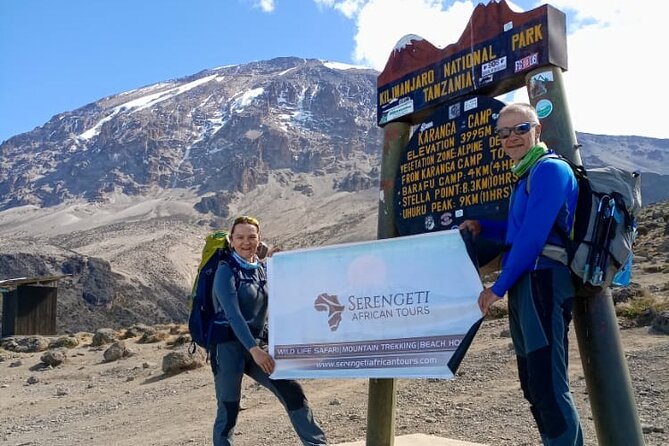
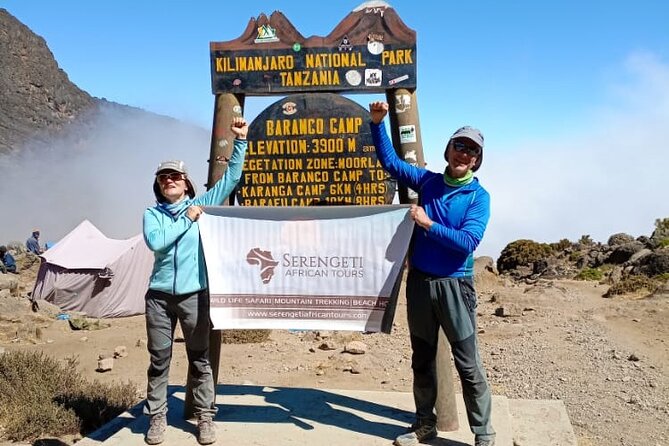
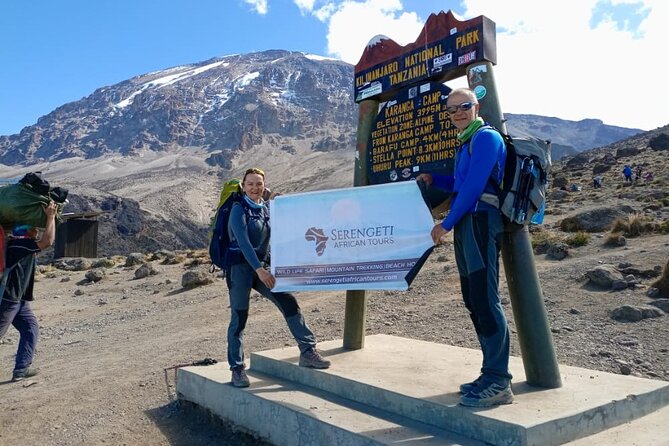
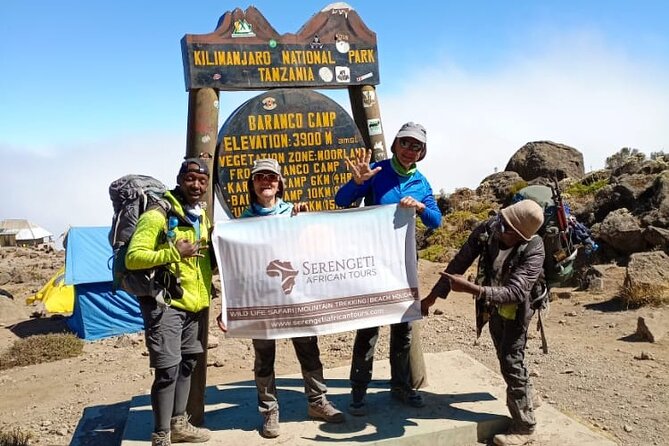
Day 5 covers about four kilometers in two to three hours. You leave Karanga Camp at approximately 3,959 meters and follow the trail toward Barafu Hut.
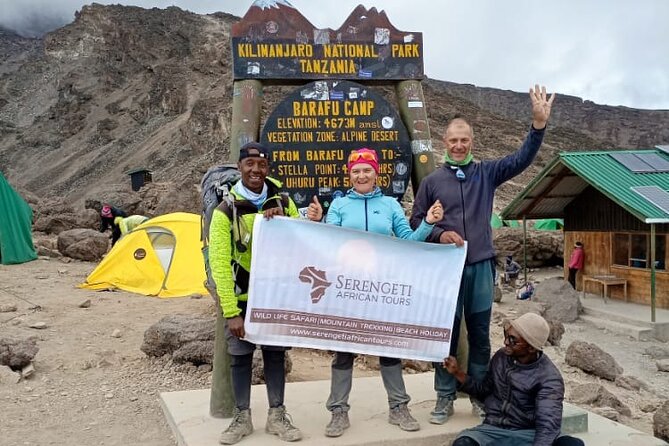
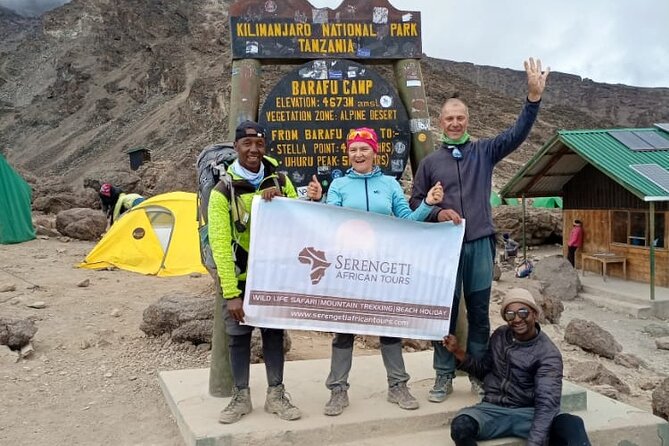
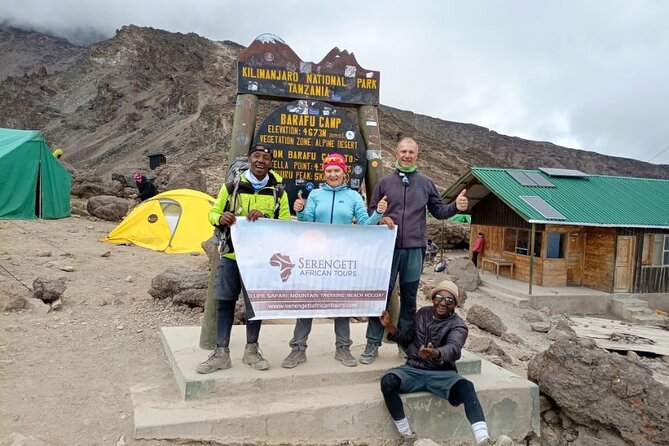
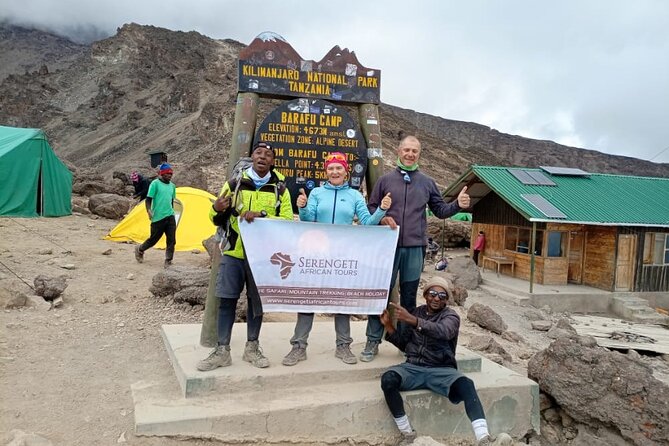
The path joins the Mweka Route, which you use for the descent. The route feels more barren now, and the vegetation has largely disappeared. Barafu Camp sits at about 4,550 meters on an exposed, rocky ridge.
There is no accessible water at Barafu Camp. The final water point for the porters is at Barafu Hut, so the support team carries what is needed onward. This is another reason to take the included drinking-water arrangement seriously and follow instructions about your personal supply.
The name Barafu means ice in Swahili. Wind and cold are part of the camp’s character, and tents sit among rocks on an open ridge. Arrive before dark if possible so you can understand the campsite and organize your gear safely.
Dinner is served early, followed by rest before the midnight start. You should prepare your summit clothing, snacks, water, gloves, and headlamp before lying down. The sleep window is short, so last-minute packing can cost you useful rest.
Day 6: Stella Point, sunrise, and Uhuru Peak
Summit day begins around 11:30 p.m. after tea and biscuits. You walk into the darkness toward Stella Point, climbing northwest through heavy scree.
The climb to Stella Point takes about six hours and is described as the most difficult part of the route for many climbers. The problem is not only the slope. You are tired, it is cold, the air is thin, and the darkness removes much of the visual sense of progress.
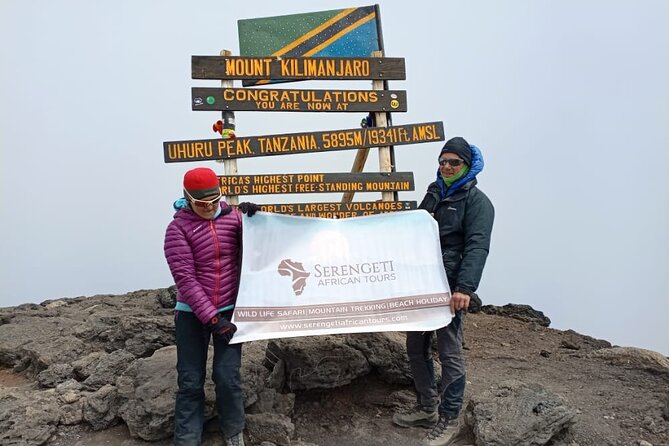
At Stella Point, on the crater rim at about 5,685 meters, you stop briefly. If the weather cooperates, sunrise from this height can be the defining sight of the entire climb.
From Stella Point, the route continues for about two hours toward Uhuru Peak at 5,895 meters. Snow is normally present on this section. You will have limited time at the summit because of weather, cold, and the need to descend safely.
The schedule information gives about six hours for this summit section, but you should understand that summit day is more than a standard six-hour hike. It includes the midnight start, the climb to Stella Point, the walk to Uhuru Peak, time at altitude, and the descent. Your guide controls the pace and decides how long you safely remain at the top.
Reaching Stella Point still counts as a significant achievement and earns a green certificate. Reaching Uhuru Peak earns a gold certificate. Do not treat Stella Point as a failure. At 5,685 meters, it is already an extreme physical effort.
Day 7: Mweka descent and the return to Arusha
After a well-earned breakfast, the mountain staff hold a celebration with singing and dancing. This is also the point when you present tips to the lead guide, assistant guides, chef or chefs, and porters.
Tips are not included in the $2,300 price. Set aside cash before the climb and ask the company for current guidance on appropriate amounts. The staff may have carried food, tents, water, and equipment for the full week, so tipping is an important part of the trip budget.
The descent to Mweka Gate takes about three hours through forest and covers roughly 15 kilometers. The trail can feel easy compared with the summit, but tired knees and sore feet make downhill walking its own challenge.
At the gate, you sign your name to receive your completion certificate. You then continue down to Mweka Village, a walk of about one hour and three kilometers. The activity ends back at the meeting point in Arusha.
Food, tents, water, and porter support
The practical details of this climb are stronger than the headline route name. You receive three meals each day while on the mountain, including seven breakfasts, seven lunches, and six dinners. The food is described as fresh, nutritious, and served in large portions.
That does not mean every meal will suit every appetite. High altitude can reduce your desire to eat, so use the meal tent and snack breaks to take in what you can. Clean, purified drinking water is included, which removes one major packing and planning concern.
The private sleeping tents are waterproof, four-season models. You also eat in a mess tent with tables and chairs. These facilities are basic, but they give you a dry place to change, eat, and recover.
The human support team is central to the experience. The most praised names include Gasto, James, and David, with repeated emphasis on care, humor, encouragement, and effort. Lucas receives praise for prompt communication before departure. Ask who will be in your guide team, how porter welfare is handled, and how the group is managed on summit night.
Who should book this Kilimanjaro climb
This route suits an active person with moderate physical fitness who is comfortable walking for several hours on uneven ground. Previous hiking, backpacking, or high-altitude experience would help, but the climb is not described as a technical mountaineering trip.
You should choose it if scenery matters to you and you want the varied Machame route rather than a simpler path. You should also be ready for mud, cold camps, basic washing facilities, a short night of sleep before the summit, and several days above 3,000 meters.
I would hesitate to recommend the seven-day version to someone who wants a relaxed holiday or who has no interest in preparation. A longer itinerary may offer more time for acclimatization, but this package is specifically built around seven days and a fairly brisk schedule.
The maximum group size of 16 gives you a social climb, but not necessarily a private one. If you want a smaller party, ask before paying. Pickup is offered from Arusha, and confirmation is provided at booking.
Is the $2,300 price good value?
At $2,300 per person, the cost is substantial, but it covers the main operational parts of the climb. Park fees, rescue fees, guides, mountain tents, mess tents, meals, and purified water are included.
You still need to budget for flights, personal climbing gear, and tips. The personal gear category can be wide, from warm clothing and gloves to a headlamp and suitable footwear, so check exactly what the company supplies before you arrive.
I see the value mainly in the support team and logistics. Carrying food, water, tents, and camp equipment up the mountain requires a large operation. A low price is not automatically a bargain if it comes with poor porter treatment, weak food, or unclear safety support.
This company receives a 5 out of 5 rating from 16 published ratings, with 100 percent recommending the activity. That is a small sample, so I would use it as one positive signal rather than a guarantee. The consistent praise for organization, guides, food, and porter effort is more useful than the headline score alone.
Should you book this seven-day Machame climb?
Book it if you want Kilimanjaro’s scenic route, can handle a demanding week, and value a full support team with meals and camping equipment included. The Lava Tower acclimatization day, Barranco Wall, and sunrise summit attempt give the itinerary real variety.
Think twice if you dislike cold nights, muddy trails, steep scree, or hiking through the night. Ask about your assigned guide, group size, equipment list, tipping guidance, and current departure arrangements before paying.
You can cancel for a full refund if you do so at least 24 hours before the local start time. Changes or cancellations inside that window are not accepted for a refund. For a fit and prepared climber, this is a serious but well-supported way to attempt Africa’s highest peak.
FAQ
How long is the Kilimanjaro Machame climb?
The climb lasts approximately seven days, beginning and ending at the meeting point in Arusha.
What is the Machame Route also called?
The Machame Route is also known as the Whiskey Route.
What time does the summit climb begin?
You rise at around 11:30 p.m. on Day 6 for tea and biscuits before starting the night ascent.
How high is Uhuru Peak?
Uhuru Peak is 5,895 meters above sea level.
What is Stella Point?
Stella Point is on the crater rim at about 5,685 meters. Climbers who reach it receive green completion certificates.
What is included in the tour price?
The price includes mountain sleeping tents, professional guides, park fees, rescue fees, meals on the mountain, a mess tent, fresh food, and purified drinking water.
Are tips included?
No. Tips for the guides, assistant guides, chefs, and porters are not included.
Are flights and personal climbing gear included?
No. Flights and personal climbing gear are not included in the price.
What is the maximum group size?
The activity can have a maximum of 16 participants.
Newest tours around the world
- York: Gin Tasting Experience at York Distillery★ 5.0 · 7 reviews
- Hokkaido: Nikka Yoichi Whisky Museum Guided Tour & Tasting★ 4.7 · 4 reviews
- Zagreb: Fine Spirit Tasting & Distillery Tour★ 5.0 · 3 reviews
- Uncle Nearest Green Distillery Tour from Downtown Nashville★ 4.5 · 12 reviews
- VIP Skip-the Line Titanic Museum and Whiskey Tasting Tour★ 4.8 · 11 reviews
- Waiheke Island: HEKE Distillery & Brewery Tour with Tastings★ 5.0 · 2 reviews
- NON BUS Old Mission Wine And Distillery Sunset Tour – 4 STOP★ 5.0 · 2 reviews
- Victoria BC: Tour & Tasting Around Award Winning Distillery★ 3.8 · 5 reviews
Whisky & Distillery Tours, compared.
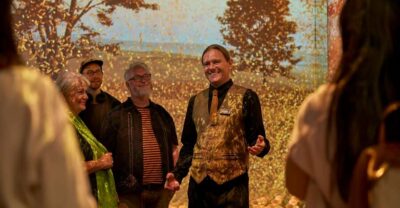
The Scotch Whisky Experience Tour and Tasting
Read our review →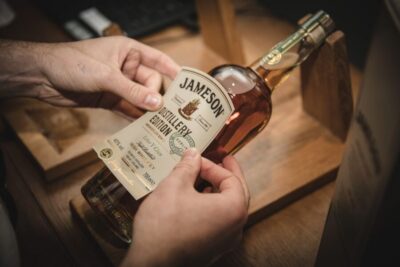
Jameson Whiskey Distillery Tour with Tastings
Read our review →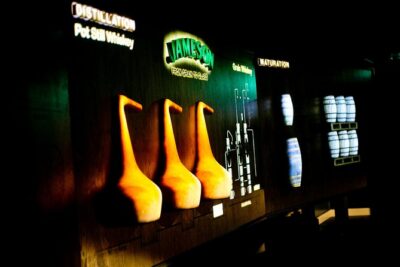
Dublin Jameson Distillery Bow St. Tour and Tasting 45 mins
Read our review →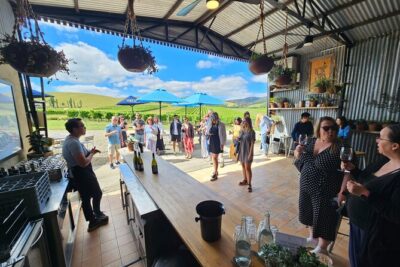
Yarra Valley Wine, Gin, Whisky and Chocolate Tour
Read our review →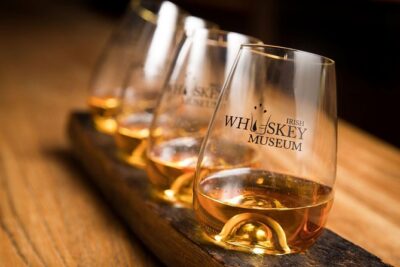
Dublin Irish Whiskey Museum and Gallery Guided Tour with Tasting
Read our review →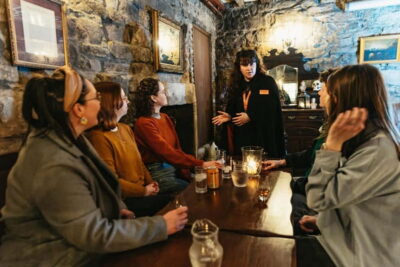
Underground Vaults Evening Ghost Tour with Whisky
Read our review →
Dublin Jameson Distillery and Guinness Storehouse Guided Tour
Read our review →