
Reviewed · DISTILLERY TOURS
NYC: Manhattan’s Only Whiskey Distillery Tour and Tasting
Manhattan’s only whiskey distillery tour puts bourbon-making in an unlikely setting: the heart of New York City. At Great Jones Distillery, you learn how grain, water, heat, barrels, and time become whiskey, then taste three house pours at the end. I like the clear, compact one-hour format and the chance to see a real distillery rather than only hearing a sales pitch. I also like that guides such as Alec and Myles bring humor and strong answers to the questions that come up.
The main drawback is simple: this is an English-only tour, and $42 is not a bargain for a one-hour visit. If you do not drink whiskey, or you need French interpretation, the value drops. Still, for a curious drinker with time in Manhattan, it is an easy, focused way to learn something most city sightseeing tours skip.
Key points to know before you book
- Manhattan’s post-Prohibition milestone: Great Jones was the first legal distillery founded in New York City after Prohibition.
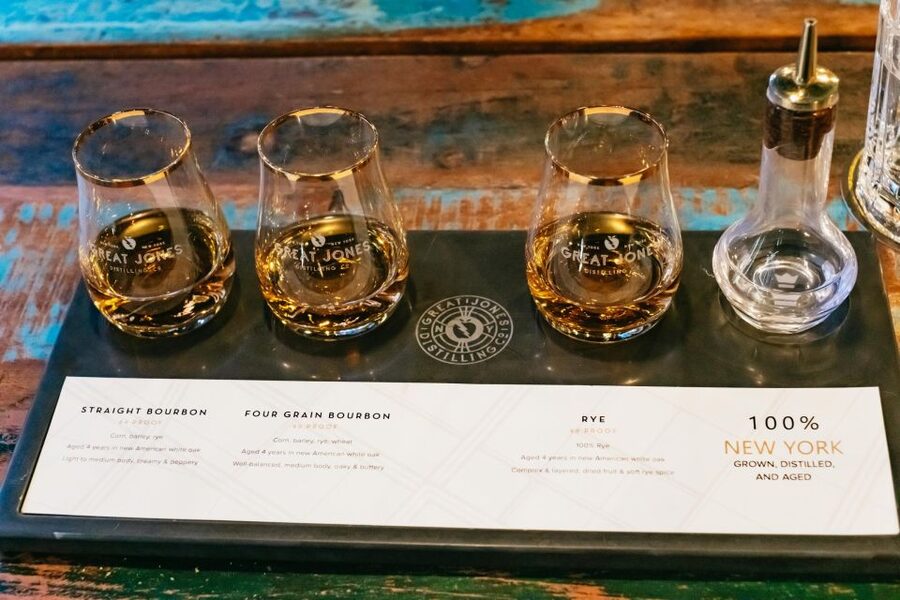
- Three whiskeys are included: The tasting covers Straight Bourbon, Four Grain Bourbon, and Rye.
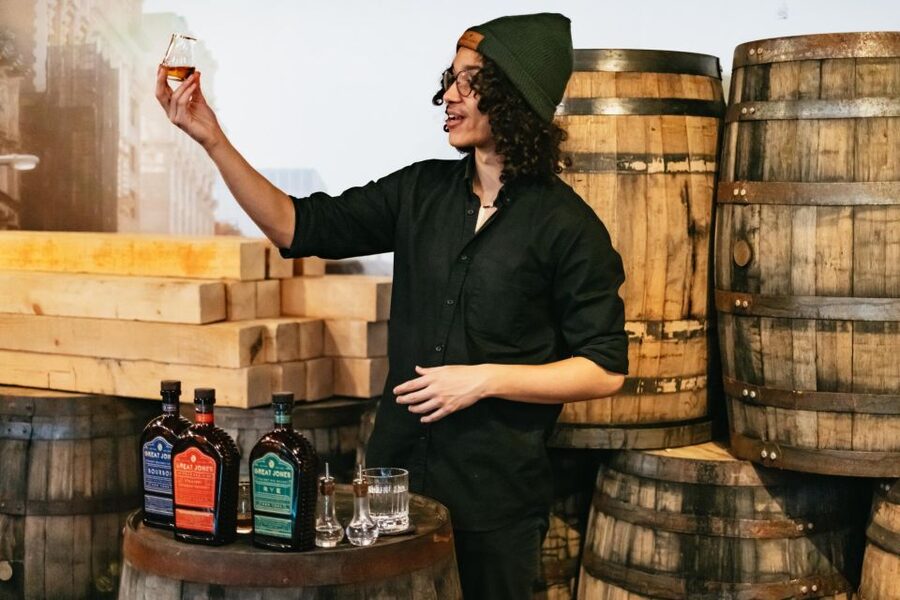
- A guide-led look at production: You learn about ingredients, distillation stages, equipment, and the methods used to make the spirits.
- One hour fits neatly into a city day: The visit is short enough to pair with other plans, though the price is fairly high for the length.
- English is the only stated tour language: Bring a passport or ID card, and remember that all participants must be at least 21.
- Accessible and flexible booking: The venue is wheelchair accessible, and cancellation is free up to 24 hours before the visit.
Great Jones Distillery in the middle of Manhattan
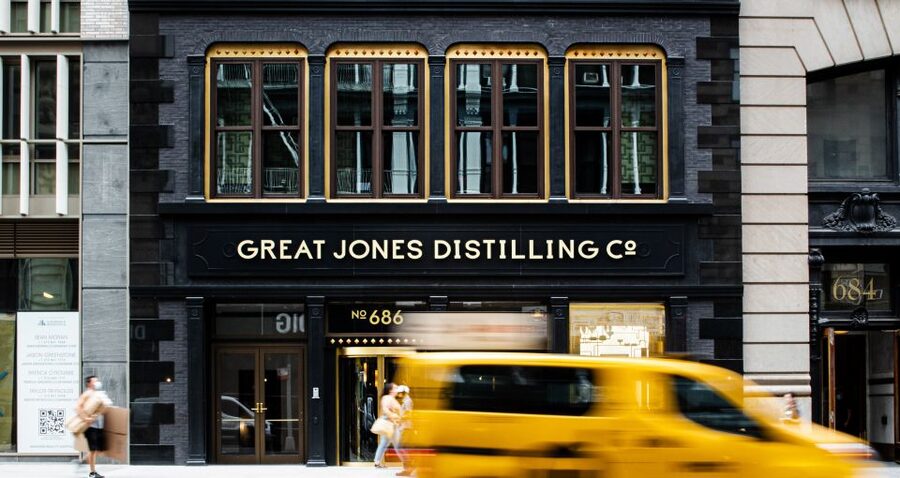
The setting gives this tour its first surprise. You are not heading out to a distant farm or a rural whiskey warehouse. You meet your guide at the front desk of Great Jones Distillery in Manhattan, then move into a working city distillery with a story tied to New York’s drinking past.
Great Jones is described as the first legal distillery founded in the city after Prohibition. That detail matters because the tour is not only about tasting three glasses. It also explains why opening a whiskey distillery in Manhattan carries a certain weight. Prohibition shut down legal alcohol production across the United States, and Great Jones represents the return of that craft to New York City in the modern era.
You should think of the visit as a compact introduction rather than a large industrial tour. The full activity lasts one hour, so the guide has to keep the story moving. That pace suits you if you want useful information without spending half a day at a distillery.
The meeting instructions are plain: go to the front desk and meet your guide. Hotel pickup and drop-off are not included, so you make your own way there. Since no street address is provided here, check the confirmed booking details carefully before setting out.
More Distillery Tours in the USA
- Nashville to Jack Daniel’s Distillery Bus Tour + Whiskey Tastings
★ 5.0 · 1,906 reviews - San Juan: Casa Bacardi Distillery Tour
★ 4.7 · 1,363 reviews - Nashville Brewery & Distillery Tour by Golf Cart
★ 4.5 · 664 reviews
What happens during the distillery tour
The tour begins with the distillery’s origins. Your guide explains Great Jones’s place in New York’s post-Prohibition story before turning to the work itself. This opening gives the equipment and production methods some context. You are not simply looking at shiny machinery. You are learning why this particular city distillery exists and what it is trying to produce.
From there, the guide walks you through the stages of whiskey production. The information provided for the visit emphasizes the ingredients, equipment, and methods used to make Great Jones bourbon and rye. You should expect an explanation of how the components work together, rather than a tasting-room talk focused only on brand history.
One useful part of the tour is the attention given to ingredients. Bourbon and rye do not taste identical, and the grain choices help explain why. The guide discusses the ingredients used in the different spirits and how the layers of flavor come together. If you are new to whiskey, this gives you a framework for noticing more than simply whether a pour tastes strong or smooth.
The equipment also gets its share of attention. Great Jones uses state-of-the-art distilling equipment, and your guide explains its role in the process. The tour does not provide a full technical specification of each machine, so do not expect an engineering class. Instead, you get a practical account of how equipment supports the movement from raw ingredients to finished spirit.
This is where a good guide makes a real difference. Alec received especially strong praise for making the tour funny, informative, and easy to follow while answering every question put to him. Myles was also described as professional, friendly, and engaging, with a style that kept the group involved. Guide quality can vary on any scheduled tour, but these names give you a sense of the tone to expect: conversational, not stiff.
If you have questions, ask them. The tour is designed around an expert guide, and the most useful details may come from the back-and-forth rather than the basic presentation. You can ask about the ingredients, the difference between bourbon and rye, or why the distillery uses particular methods. The stated format leaves room for that kind of interaction.
The production story: grain, process, and flavor
The tour’s strongest educational point is the link between raw materials and taste. Great Jones produces bourbon and rye, and the guide explains how the different grains help create different flavor profiles. You may already have a preferred whiskey, but this visit gives you a better way to compare those choices.
Straight Bourbon is the first pour in the listed tasting. The name signals a classic bourbon style, and the tour connects it to the wider production process. You learn how the spirit is made before you taste it, which makes the glass more useful. Instead of judging it in isolation, you can think about the grain and distillation steps that shaped it.
Four Grain Bourbon offers a second comparison. The tour highlights the layers in the bourbons, and this expression gives you a chance to notice how a broader grain mix can affect the finished whiskey. The supplied details do not identify the exact grain recipe, so your guide is the right person to ask if you want specifics. That is better than treating the label as a complete explanation.
The third pour is Rye. This lets you compare the bourbon styles with a rye whiskey made through the same general journey of ingredients, distillation, and maturation. The side-by-side tasting is the practical payoff of the tour. You hear the production story, then use your own nose and palate to find differences.
The experience does not list food pairings, and food is not included. Plan on the tasting being about the whiskey itself. If you need a meal, arrange that separately rather than assuming the distillery visit covers it.
Tasting three Great Jones whiskeys
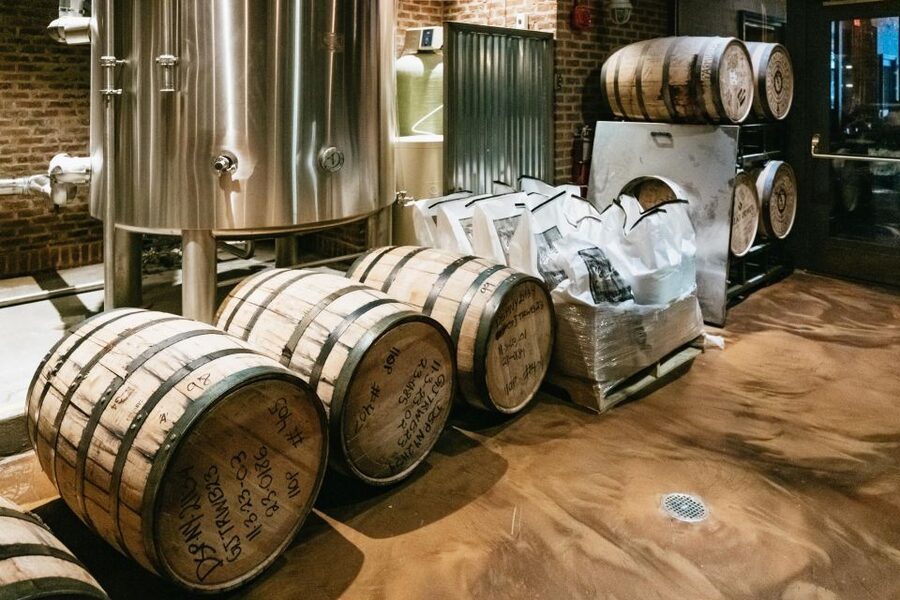
The tasting comes after the tour and includes three Great Jones whiskeys:
- Straight Bourbon
- Four Grain Bourbon
- Rye
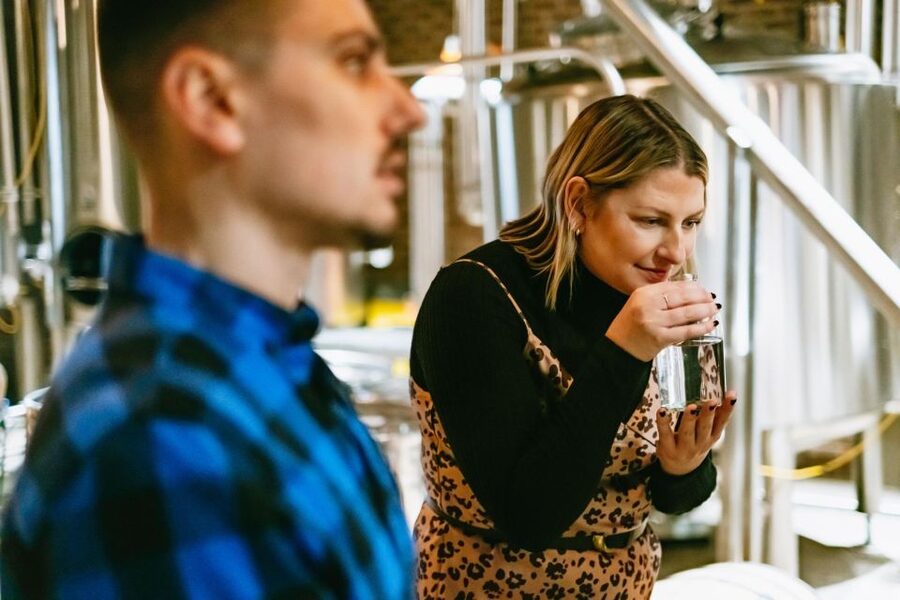
Three pours are enough to make a comparison without turning the visit into a long drinking session. That balance works well for a sightseeing day. You get a sample of the distillery’s main styles, but the activity remains a guided introduction rather than an evening tasting event.
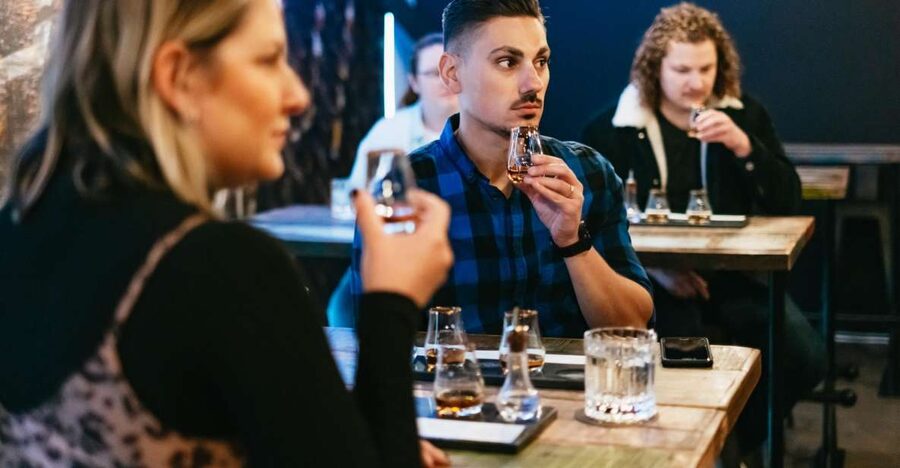
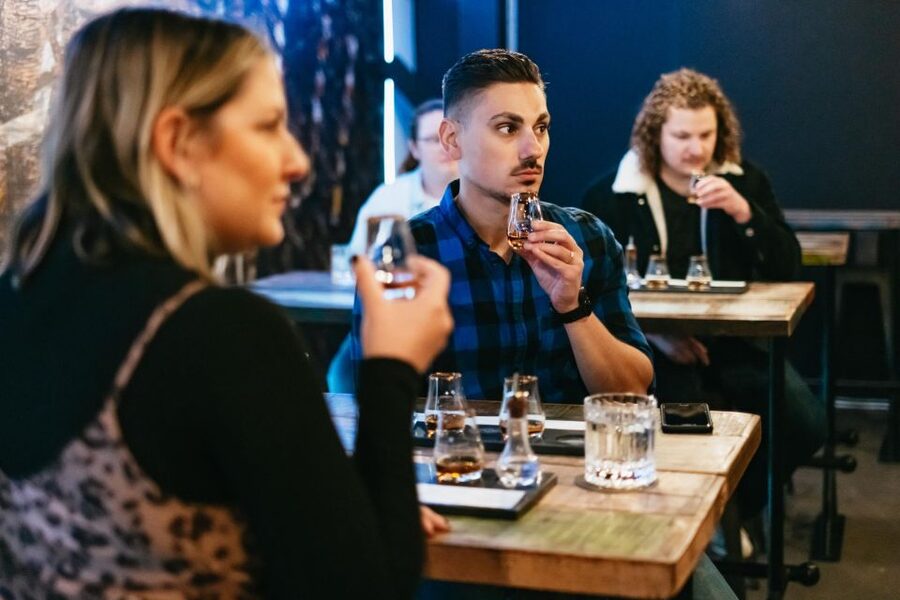
I would pay attention to the order and take notes if you are seriously interested in whiskey. Notice the aroma first, then the texture and finish. Compare the two bourbons with the rye, and ask the guide to explain anything you cannot identify. The point is not to guess tasting notes correctly. It is to connect what you taste with the ingredients and production methods discussed earlier.
The tasting also helps explain the price. At $42 per person, the tour is more expensive than a quick sample at a bar, but you are paying for a guide-led production visit, the distillery story, and three pours. That can be fair value if you care about whiskey or want an activity with some substance behind it.
It is less convincing value if you are mainly looking for a drink. A one-hour tour gives you limited time on site, and the package does not include food or transportation. If your companion does not like whiskey, the cost may feel steep. One person who booked the visit as a gift for a partner enjoyed it even without being a whiskey fan, but still felt the price was a little high. That is a useful warning for couples with mixed interest levels.
Same region, a different pour:
- Bourbon Tour (03) : Buffalo Trace, Woodford, Four Roses, Wild Turkey, Other
★ 4.5 · 592 reviews - Nashville’s Big Machine Distillery Guided Tour with Tastings
★ 5.0 · 356 reviews - Nelson’s Green Brier Distillery Guided Tour with Tastings
★ 5.0 · 293 reviews - Bourbon History Tour
★ 5.0 · 219 reviews
How the guides shape the hour
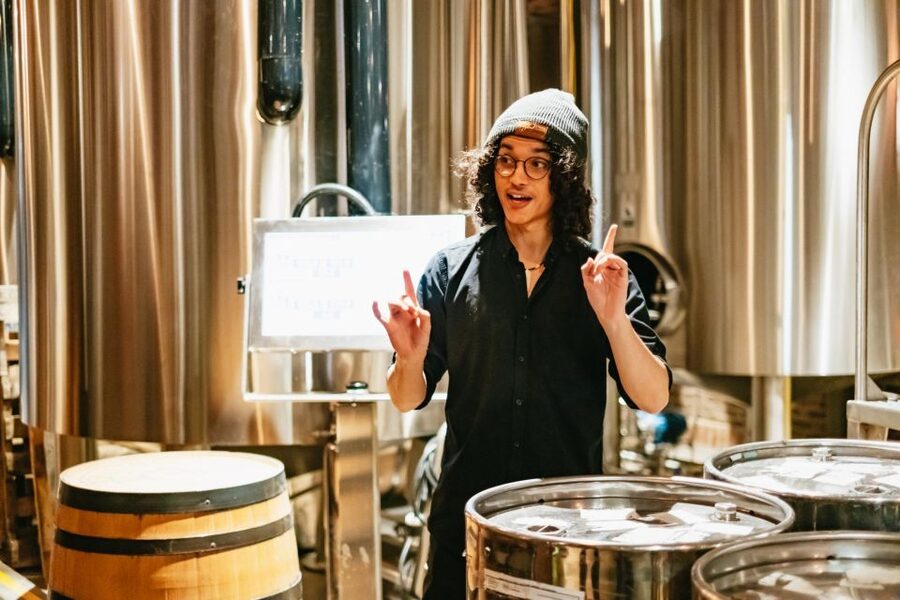
A short tour rises or falls on the guide. There is not enough time for a slow, wandering presentation, so you want someone who can explain technical steps in plain language and keep the tasting lively.
Alec’s tour style was praised for being funny, informative, and ready for questions. Myles was singled out for being friendly, professional, and interactive. Those descriptions point to a useful quality: the guides do not simply recite facts. They help turn the process into a conversation.
That matters if whiskey is new to you. Terms connected with bourbon, rye, distillation, and grain can become a blur when delivered too quickly. A guide who answers questions clearly gives you a better chance of leaving with a real understanding of what you tasted.
The tour is offered in English. A French-speaking visitor found the lack of French translation made the activity boring, which is a clear planning point. If you are not comfortable following an English explanation for the full hour, this may not be the right choice. No other tour languages are listed.
Who will get the most from this visit
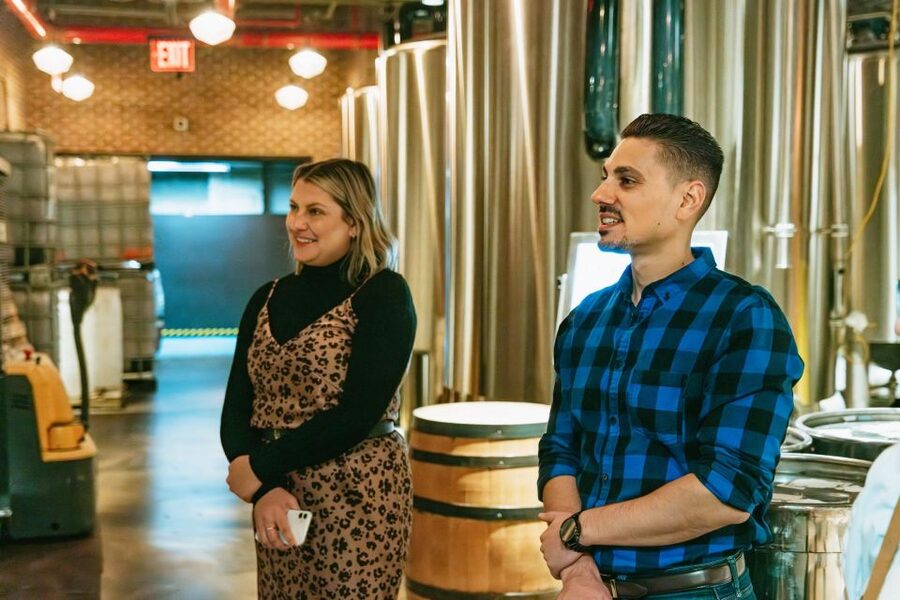
This tour suits you best if you like spirits, city history, or behind-the-scenes production. It also works for a couple or small group that wants one planned activity in Manhattan rather than another general sightseeing stop.
You do not need to be a whiskey expert. In fact, beginners may get the most from the ingredient and process explanations. The three-pour tasting gives you a simple way to compare styles, while the guide supplies the background.
It is also a reasonable gift experience for someone who likes whiskey. The one-hour length makes it easier to fit into a busy New York schedule, and the visit does not demand a full day outside Manhattan.
I would be more cautious about booking it for a group with no interest in whiskey. The tour focuses tightly on distilling and tasting. You may enjoy the city history, but the activity is not designed as a broad Manhattan attraction.
Everyone must be at least 21 years old. Bring a passport or ID card, since proof of age is required according to the visit information. The venue is wheelchair accessible, which makes it a more practical choice for many visitors, though you should still confirm any personal access needs when booking.
Fitting one hour into your Manhattan plans
The one-hour duration is a real advantage. You can place the visit between larger activities without giving up a whole afternoon. It is especially useful if you want something specific and local rather than another major landmark queue.
Allow extra time around the scheduled start so you can reach the front desk without rushing. The tour itself lasts one hour, but the meeting instructions do not include hotel transport. You are responsible for arriving at the distillery.
The experience offers reserve-now, pay-later booking, which helps if your New York schedule is still shifting. You can also cancel up to 24 hours in advance for a full refund. Those terms are useful in a city where weather, restaurant reservations, and show plans can change quickly.
Starting times vary, so check availability for your date. Since the tour is offered in English and the tastings are part of the scheduled hour, arriving late could mean missing both the opening history and part of the production explanation.
Is $42 a fair price?
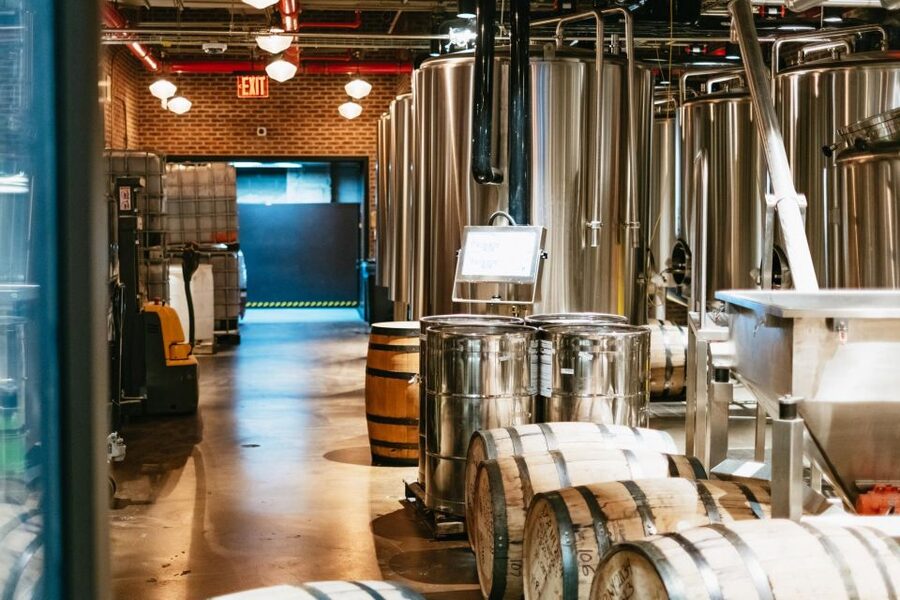
The $42 cost sits in the reasonable but not cheap category. The included elements are the distillery tour, a live guide, and three whiskey tastings. You do not pay separately for the three listed pours, but food, hotel pickup, and drop-off are excluded.
I see the value in the combination. A bar tasting might give you whiskey without showing you the equipment or explaining the process. A general city tour might tell you about Manhattan without giving you something you can taste and compare. Great Jones combines both in a short visit.
Still, the hour goes quickly. If you want a long production tour, a large selection of pours, or a full meal, this is not that kind of outing. The strongest case for the price is your interest in how whiskey is made, not the volume of whiskey served.
A rating of 4.6 from 15 reviews suggests the experience has landed well overall, but the individual comments also give a fair picture. The most praised features are the guides, the clear explanations, and the interactive tone. The most useful cautions are the English-only format and the feeling that the price is a little high for the length.
Should you book Great Jones Distillery?
Book this tour if you want a short, guided look at Manhattan’s whiskey-making story and you will enjoy comparing bourbon with rye. The post-Prohibition connection, the production explanation, and the three-pour tasting give the hour a clear purpose.
I would especially recommend it to whiskey drinkers, curious beginners, and visitors looking for a distinctive Manhattan activity that does not require a full day. Alec and Myles have set a strong example of the friendly, question-friendly guiding style that makes this format work.
Skip it if you do not drink whiskey, need a French-language tour, or expect a large tasting with food. At $42, the visit asks you to value the explanation as much as the pours. If that sounds right, Great Jones offers a tidy, informative stop with a genuine New York angle.
FAQ
How long does the Great Jones Distillery tour last?
The tour lasts one hour.
How much does the experience cost?
The listed price is $42 per person.
Which whiskeys are included in the tasting?
You taste Straight Bourbon, Four Grain Bourbon, and Rye.
Is a guide included?
Yes. The experience includes a live English-speaking guide.
Where do I meet the guide?
Meet your guide at the front desk of Great Jones Distillery.
Is the tour available in languages other than English?
English is the stated tour language. No French translation or other language option is listed.
Can people under 21 join the tour?
No. The experience is not suitable for anyone under 21.
What identification should I bring?
Bring a passport or ID card.
Is the distillery wheelchair accessible?
Yes, the activity information states that the distillery is wheelchair accessible.
Newest tours around the USA
- Uncle Nearest Green Distillery Tour from Downtown Nashville★ 4.5 · 12 reviews
- NON BUS Old Mission Wine And Distillery Sunset Tour – 4 STOP★ 5.0 · 2 reviews
- NON BUS MOVIE STARS Traverse City Brewery And Distillery Tour★ 5.0 · 2 reviews
- Big Machine Distillery Guided Distillery Tour With Tastings★ 5.0 · 2 reviews
- St Petersburg Distillery Tour and Tasting Experience★ 5.0 · 23 reviews
- Bourbon and Whiskey History Tour in St Augustine★ 5.0 · 14 reviews
- Bainbridge Island Discovery and Whiskey tasting Tour★ 4.5 · 9 reviews
- Tumbleroot Brewery and Distillery Tour and Tasting★ 5.0 · 21 reviews
Distillery Tours, compared.
Jameson Whiskey Distillery Tour with Tastings
Read our review →
Dublin Jameson Distillery Bow St. Tour and Tasting 45 mins
Read our review →
Dublin Jameson Distillery and Guinness Storehouse Guided Tour
Read our review →
Nashville to Jack Daniel’s Distillery Bus Tour + Whiskey Tastings
Read our review →
Dublin Teeling Whiskey Distillery Guided Tour and Tasting 1 Hour
Read our review →

Browse the lists this tour appears in